A premium light fitting earns its place through resolved construction, comfortable illumination and details that...
- There are no more items in your cart
- Shipping
- Total $0.00
Lighting That Keeps Up with a Changing Room
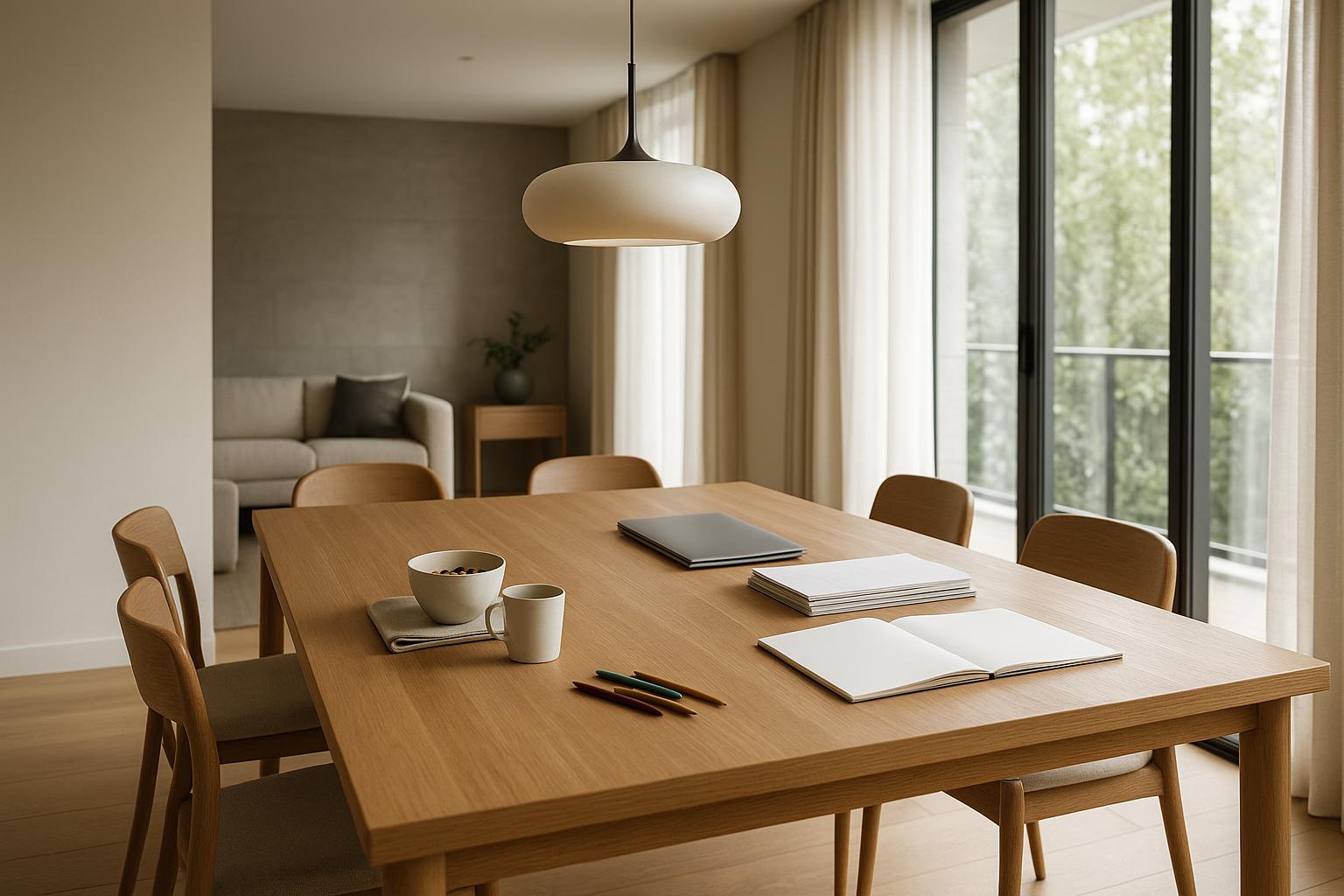
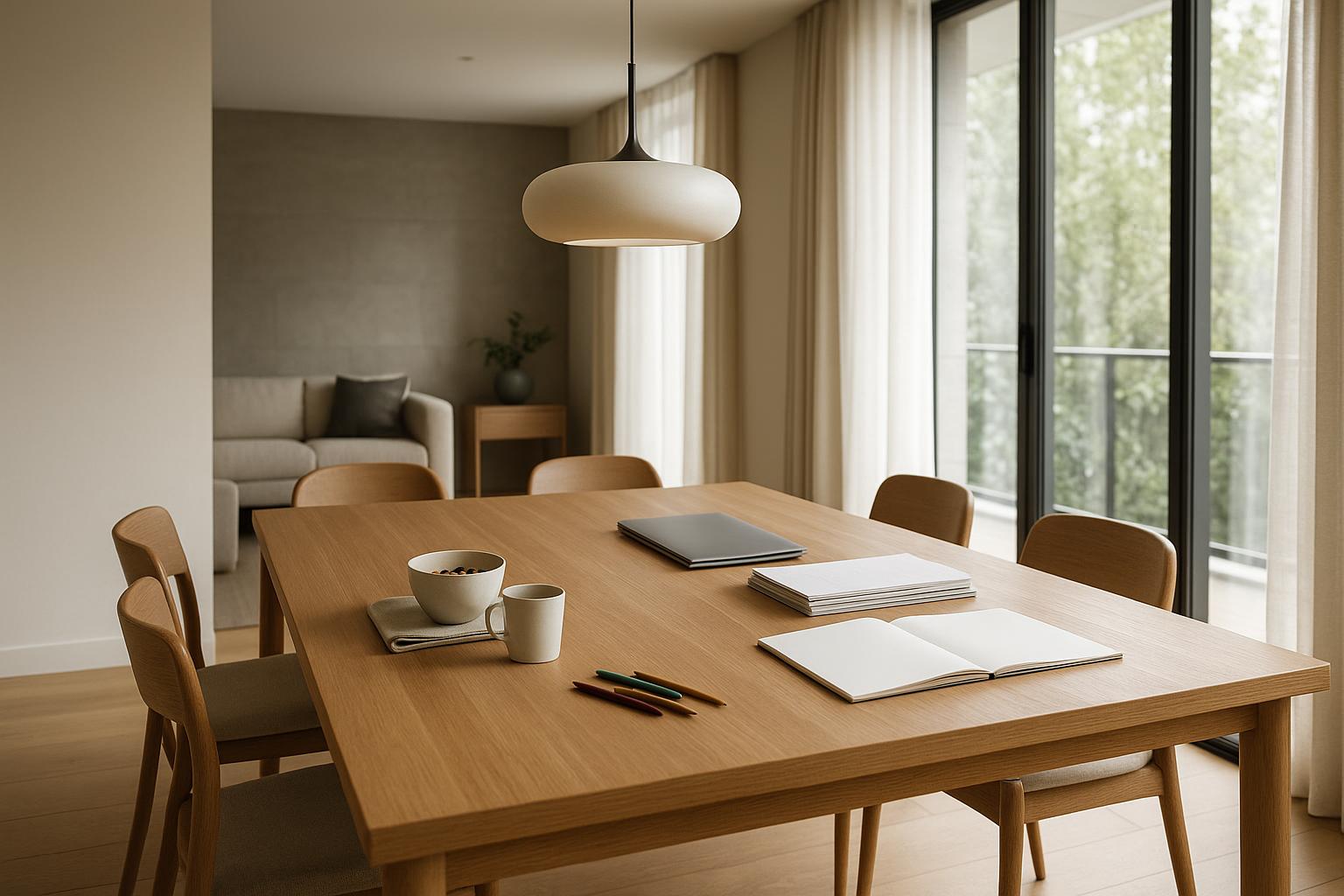
At 8 am, the dining table is a breakfast spot. By mid-morning it holds a laptop and paperwork. Later it becomes a homework station, then returns to dining for the evening. The furniture may not move at all, yet the light expected of that space changes several times.
This is a common issue in home lighting in Australia, where open-plan living, spare-room offices and compact floor plans ask one area to perform several jobs. Flexibility comes less from adding fittings everywhere than from creating lighting states that can be used independently. A dependable ceiling layer, well-placed task light and one or two lower portable sources will usually offer more control than a room full of lights connected to a single switch.
Define the room by its operating modes
Start with what the room does over a week, not the name shown on the floor plan. A dining room used for laptop work five days out of seven should be planned partly as a workplace. A guest room that becomes a study for most of the year needs lighting that supports both uses without making either feel temporary.

Write down the room's recurring modes and identify what each one asks of the light. A simple list could include:
- Active mode: cleaning, unpacking, cooking or moving safely through the room
- Focused mode: reading, paperwork, hobbies, food preparation or screen-based work
- Social mode: meals, conversation or entertaining
- Quiet mode: watching television, settling children or winding down before bed
Then note where people sit or stand during each activity. This exposes practical gaps quickly. The room may be bright overall but leave the desk in shadow, or the dining pendant may be pleasant for meals but uncomfortable when someone looks up from a laptop.
Give each mode its own route to light
A room with several ceiling lights on one switch still has only two settings: all on or all off. Separate control is what turns a collection of fittings into a flexible plan.
During a renovation or new build, discuss switching early enough for an electrician to plan useful groups. General ceiling light, a pendant and wall lights may not need to operate together. In an existing home, plug-in table and floor lamps can create independent lighting states without altering the fixed layout.
Dimming can widen the useful range of a fitting, but compatibility needs to be checked across the fitting, light source and dimmer. It should not be assumed that adding a dimmable globe will make every combination perform well. Product instructions and advice from an appropriately licensed electrician should guide any fixed installation or electrical alteration.
Switch location matters too. A lamp used from the sofa is easier to live with when its switch can be reached from the seat. General lights should be controllable from a logical entry point rather than requiring someone to cross a dark room.
To complement this topic, you can also read Old Rooms, New Light: Contemporary Fittings for Character Homes.
Put useful light near the activity
When detailed work feels difficult, increasing the output of every ceiling light is rarely the most comfortable answer. Bringing a smaller source closer to the task directs light where it is needed while allowing the rest of the room to remain calmer.
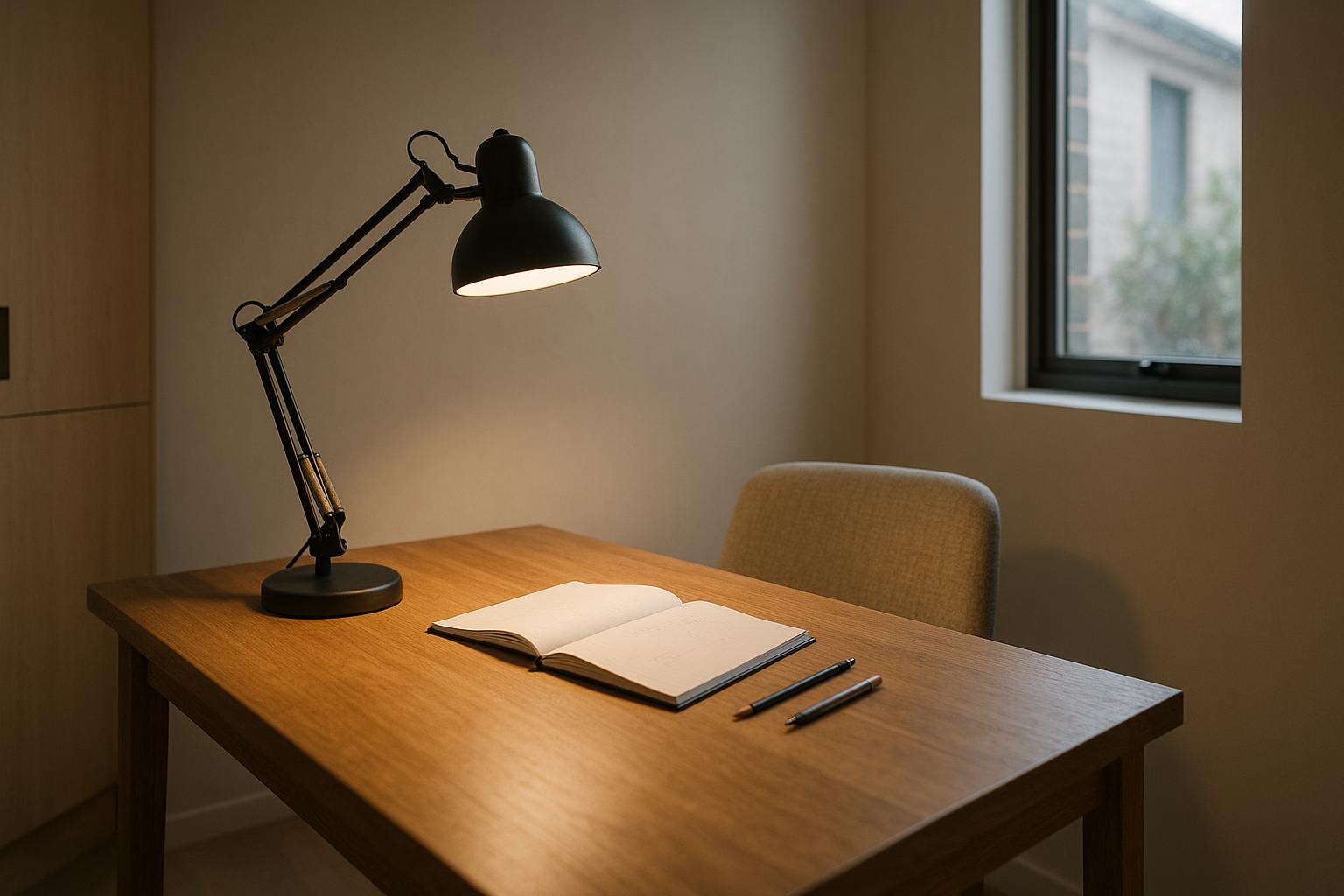
At a desk, position an adjustable lamp so the hand and upper body do not cast a heavy shadow across the work. For handwriting or drawing, placing the lamp on the side opposite the working hand is a useful starting point. Check that the shade conceals the bright source from the seated eye.
Beside an armchair, a floor or table lamp should reach the page without shining directly into the reader's peripheral vision. The same principle applies to craft tables and homework positions: judge the light from the actual chair, not while standing elsewhere in the room.
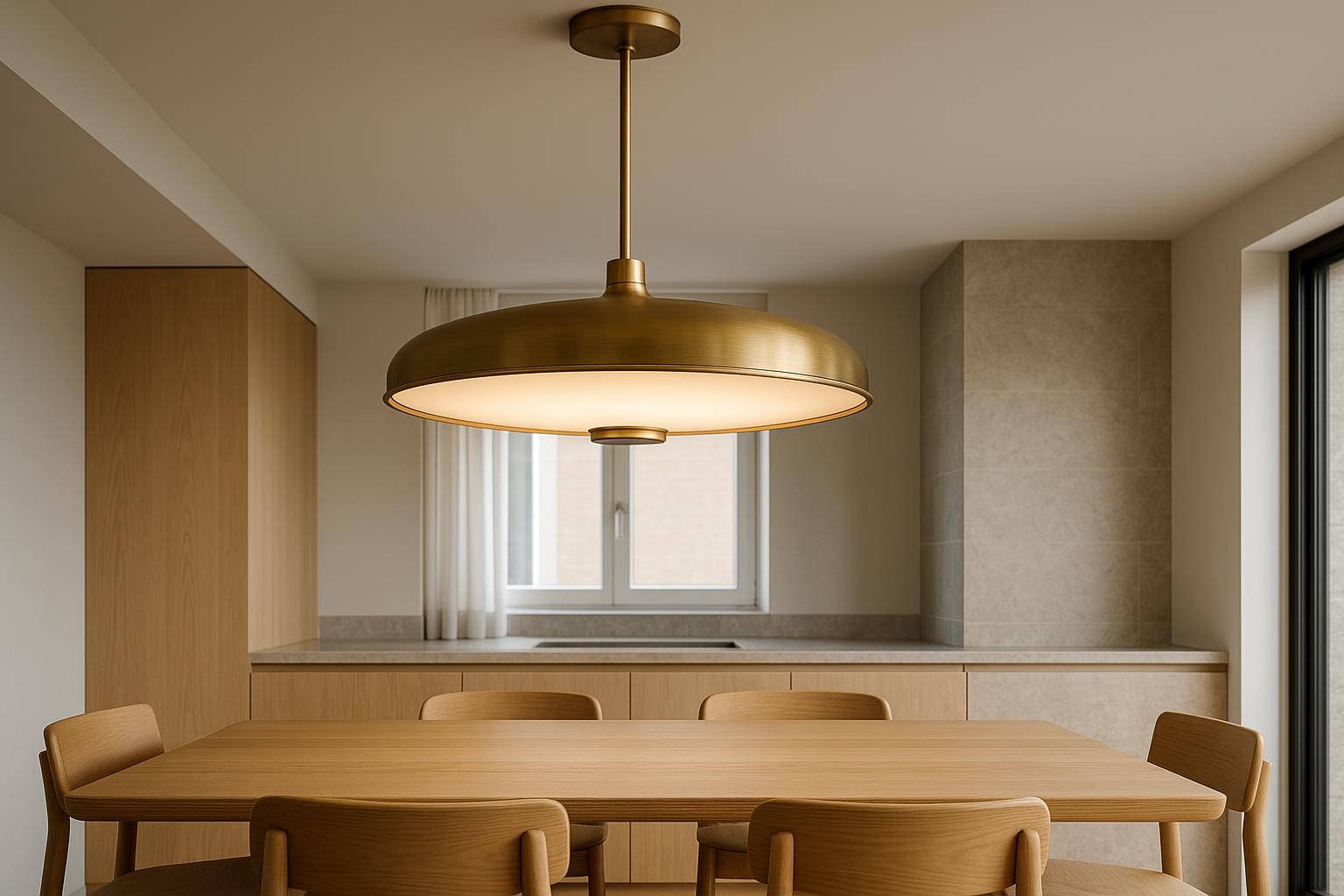
Kitchens require a similar check. A ceiling light behind the person using the bench may illuminate the floor while their body shades the preparation surface. Light over or in front of the working area is generally more useful. An island pendant can contribute, but only if its shade and distribution send enough light downwards without leaving an exposed bright source at seated eye level.
Check screens with the display turned off
A dark television or computer monitor acts like a mirror, making it a useful tool for finding reflections. Sit in the normal viewing position with the display off and look for visible lamps, pendants, windows and bright wall lights. Repeat the check at different times if the room receives strong morning or western afternoon sun.

A reflected lamp does not need to be especially bright to become distracting. Moving it sideways, lowering it or changing the direction of its shade may solve the problem more effectively than reducing the room's overall light level. Adjustable spotlights should be aimed towards work surfaces or walls rather than the screen or the person using it.
After dark, a modest pool of light beside or behind a screen can soften the contrast between the display and its surroundings. It should remain outside the direct viewing angle and should not create a new reflection on glossy furniture.
Distinguish open-plan zones by height and control
Open-plan rooms do not need a decorative feature over every activity. They need enough visual difference for each zone to feel legible.
In the same direction, Read the Room Before You Choose the Light offers useful ideas for choosing home lighting more confidently.
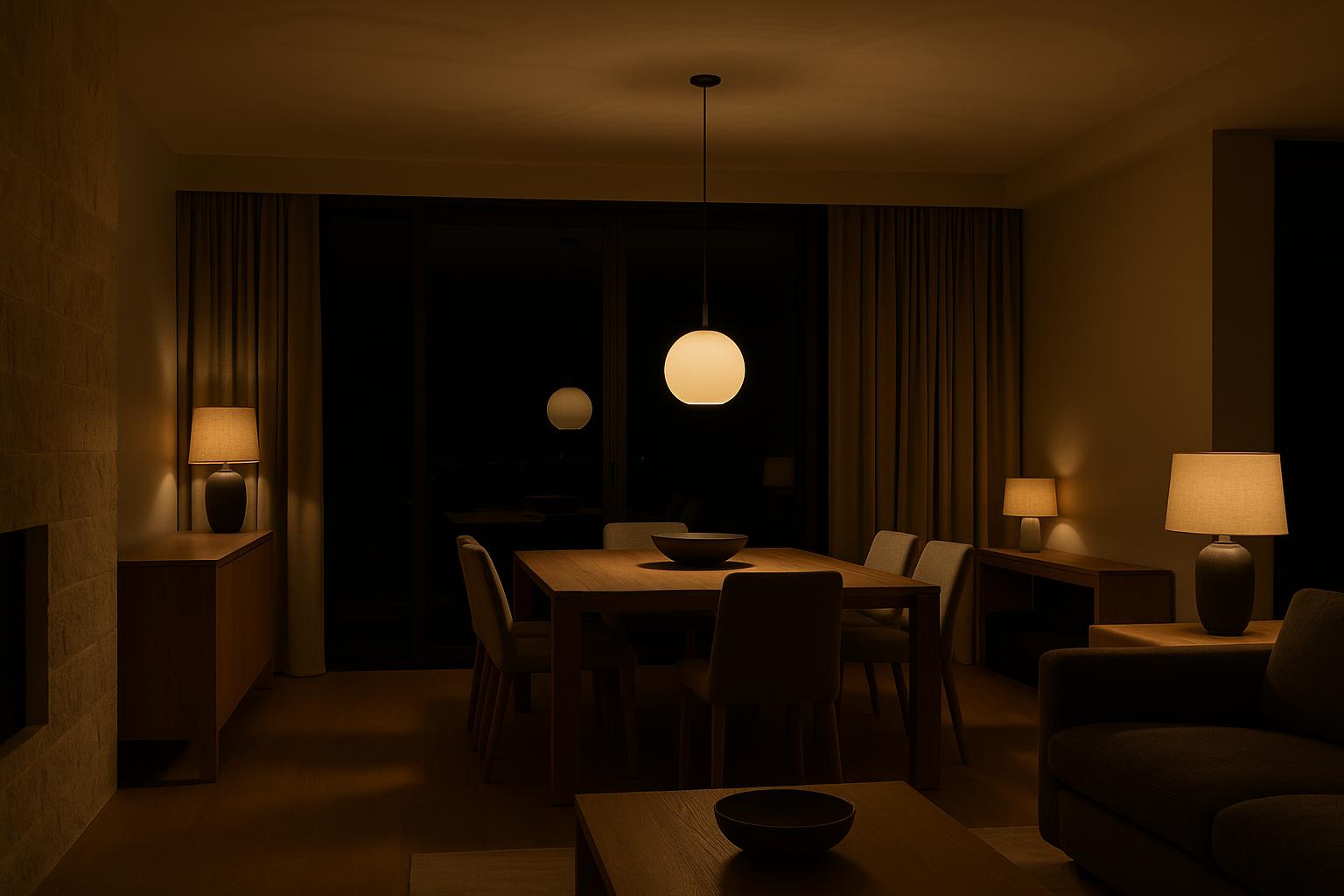
A pendant can establish the dining area at table height, while a shaded floor lamp gives the seating area a lower pool of light. Practical kitchen lighting can remain brighter during preparation, then be switched back once the meal begins. The change in height and intensity separates the zones without introducing a wall or a matching suite of fittings.
Consider the whole view from the main entry and from the most-used seats. If the island pendant is the dominant feature, the dining and living lights can be quieter. Several assertive fittings competing across one room can make it harder, rather than easier, to understand the space.
Make the portable layer genuinely practical
Portable lamps are particularly useful in rentals, apartments and rooms where furniture changes regularly. They can follow a reading chair, turn a temporary desk into a workable station or provide softer bedroom light when guests arrive.
The proposed location still needs a nearby power point and a safe path for the cord. A floor lamp is not adaptable if moving it places a lead across the route to a balcony or hallway. Before choosing a lamp, check its base size, total height, switch position and the direction in which the shade releases light.
Shade material affects the result. An opaque shade usually contains more light and can create a defined task pool. A translucent shade contributes more general glow, although the source still needs to be comfortable when viewed from nearby seats. Select according to the job rather than treating shade shape as a purely decorative decision.
For more consistent lighting throughout the home, the article What Good Lighting Does After Sunset may also be helpful.
Test fixed positions against more than one layout
Before committing to a pendant or wall light, sketch at least two plausible furniture arrangements. Include the dining table at its everyday size and when extended, the sofa in another workable position, or both bed widths that might realistically occupy a spare room.
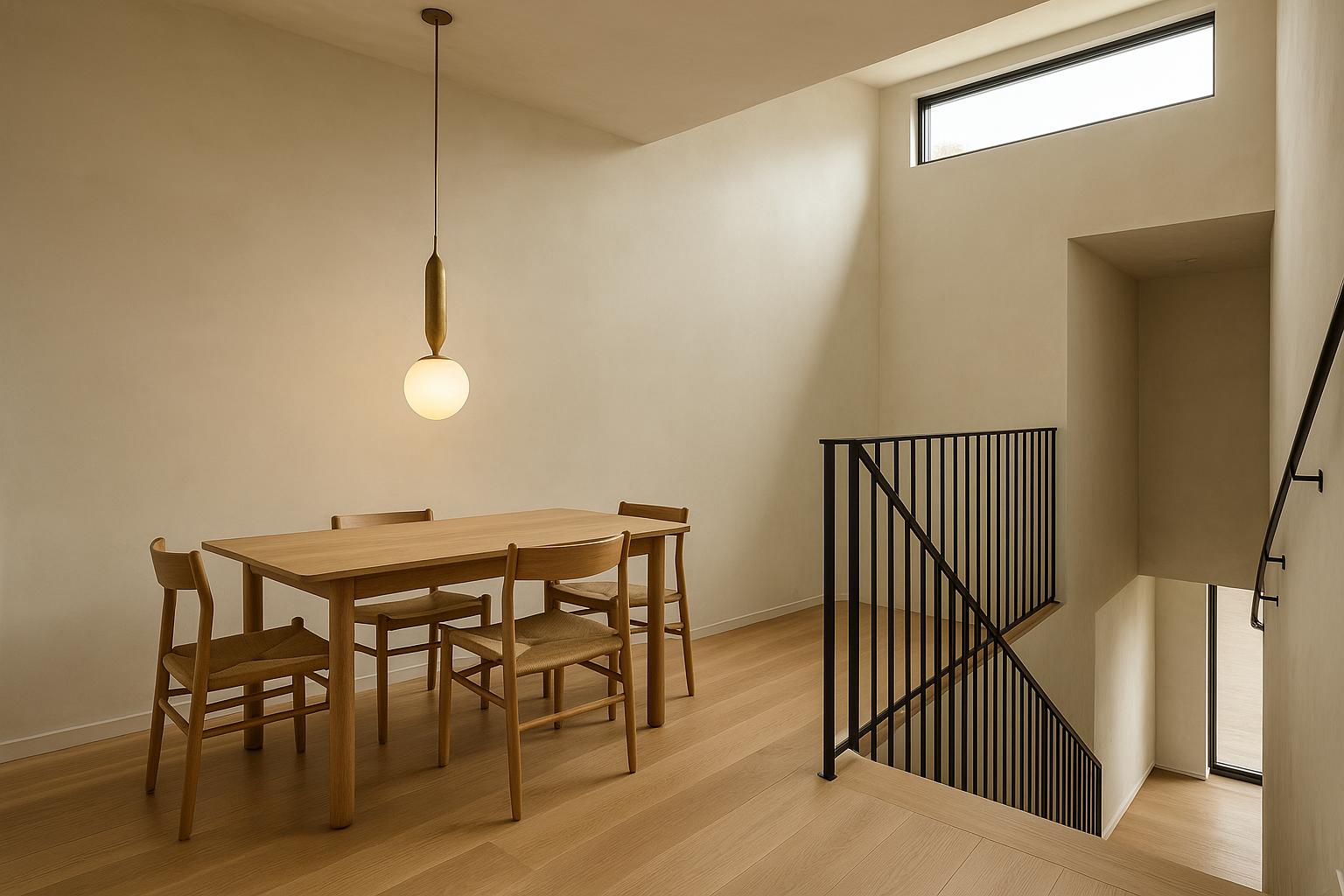
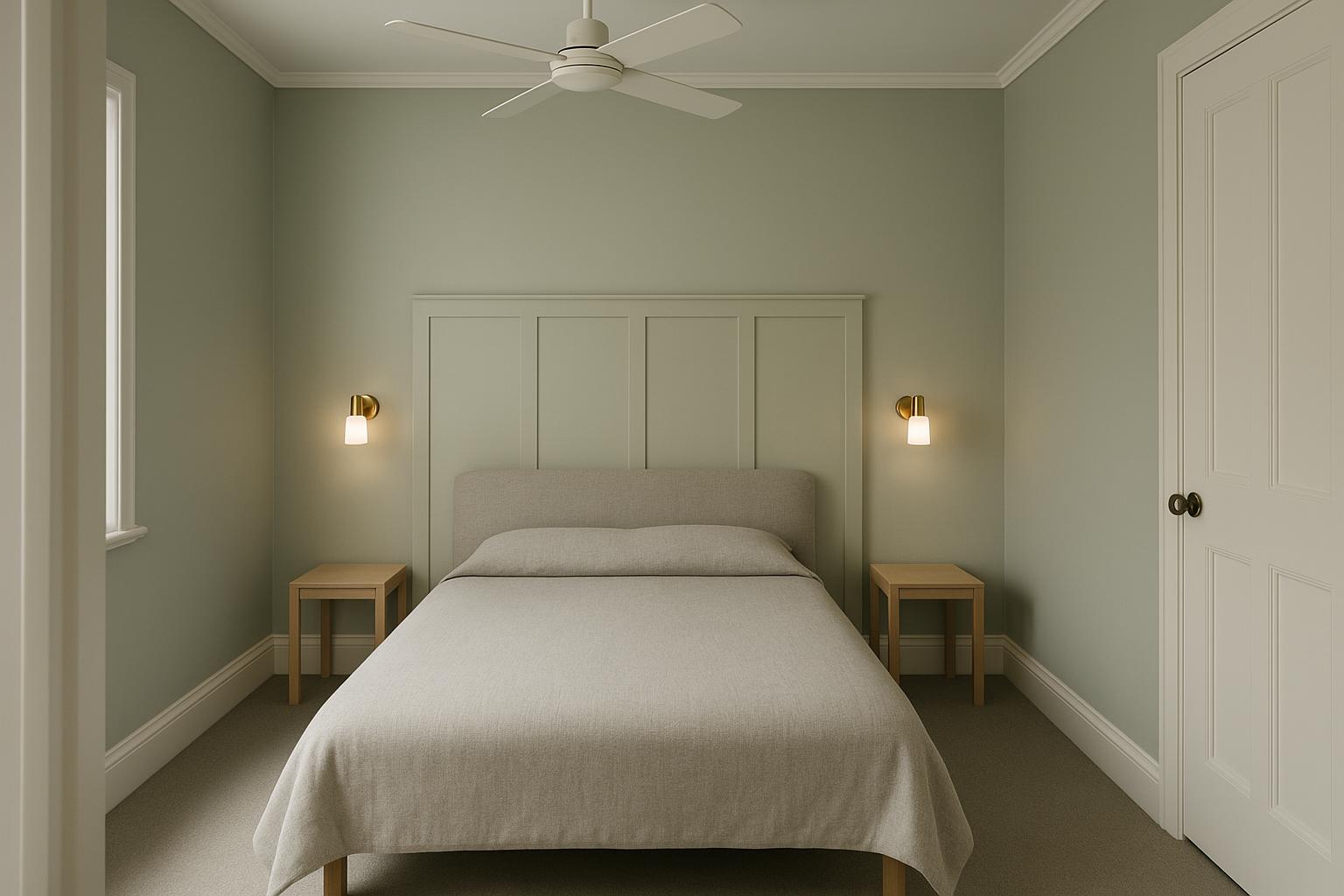
A pendant centred over a table can look precise until the table moves for a gathering. Bedside wall lights can clear the tables but may become awkward if a wider bed is introduced. Fixed lighting is least restrictive when it relates to stable architecture or activity: a kitchen island, stair, entry, bathroom mirror or built-in work surface.
Also check ceiling fans, cupboard doors and tall storage. A fitting that appears clear on a flat plan may conflict with moving fan blades or an open door. Use actual product dimensions and installation guidance rather than judging from a styled photograph.
Compare fittings by purpose
When considering lights online, label each candidate with its job: broad circulation light, focused desk light, low evening glow or dining-table anchor. This makes it easier to spot duplication and prevents a matching finish from becoming the main reason for buying.

Compare dimensions, mounting method, light direction, shade openness, switching and dimming requirements. designer lights can give a room character, but they earn their place when the scale and illumination also suit the intended activity.
To build a measured shortlist, browse home lighting in Australia with your room modes and proposed positions beside you. Choose the fixed pieces that support stable uses, then leave enough room in the plan for portable light to follow the household as routines and furniture change.