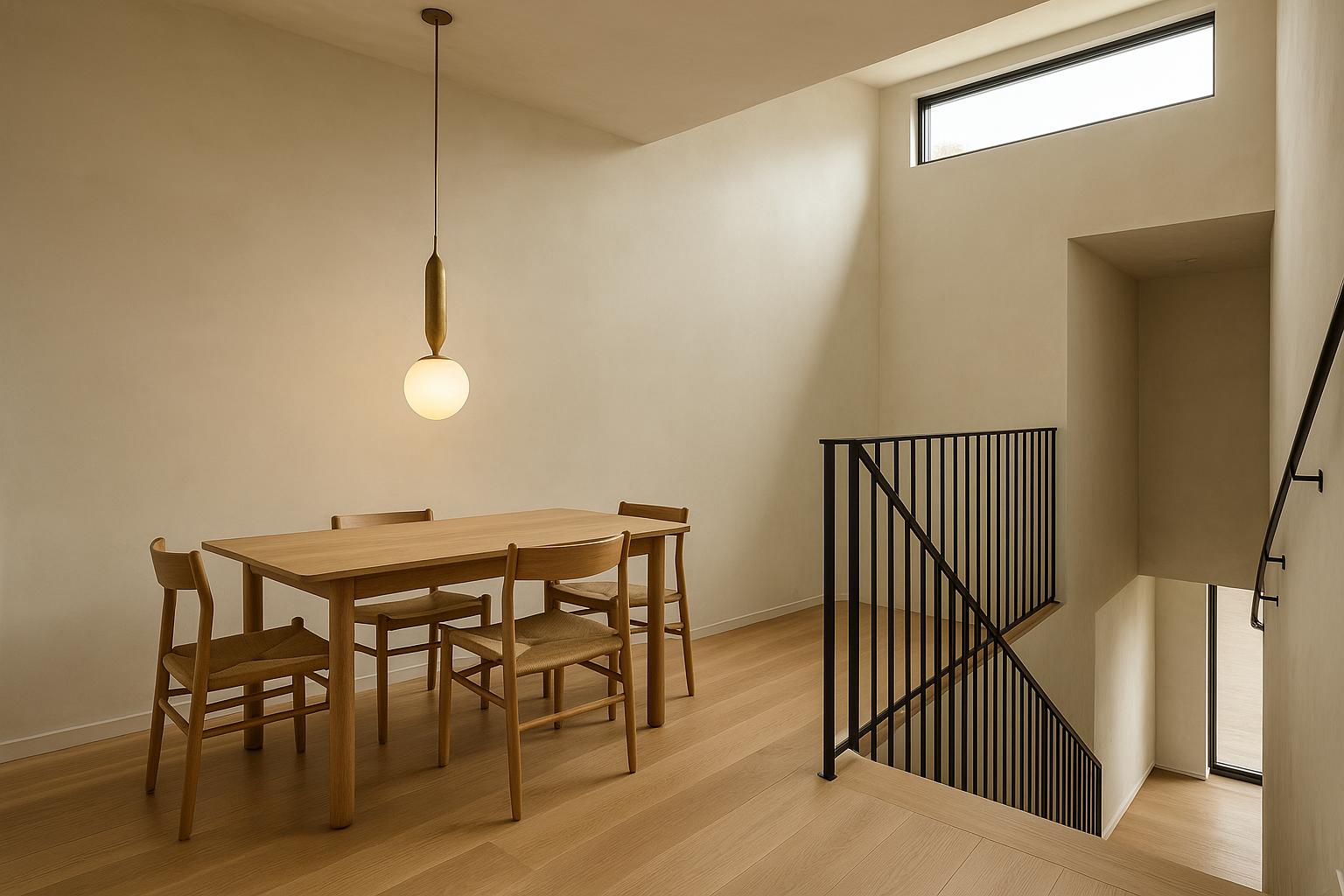
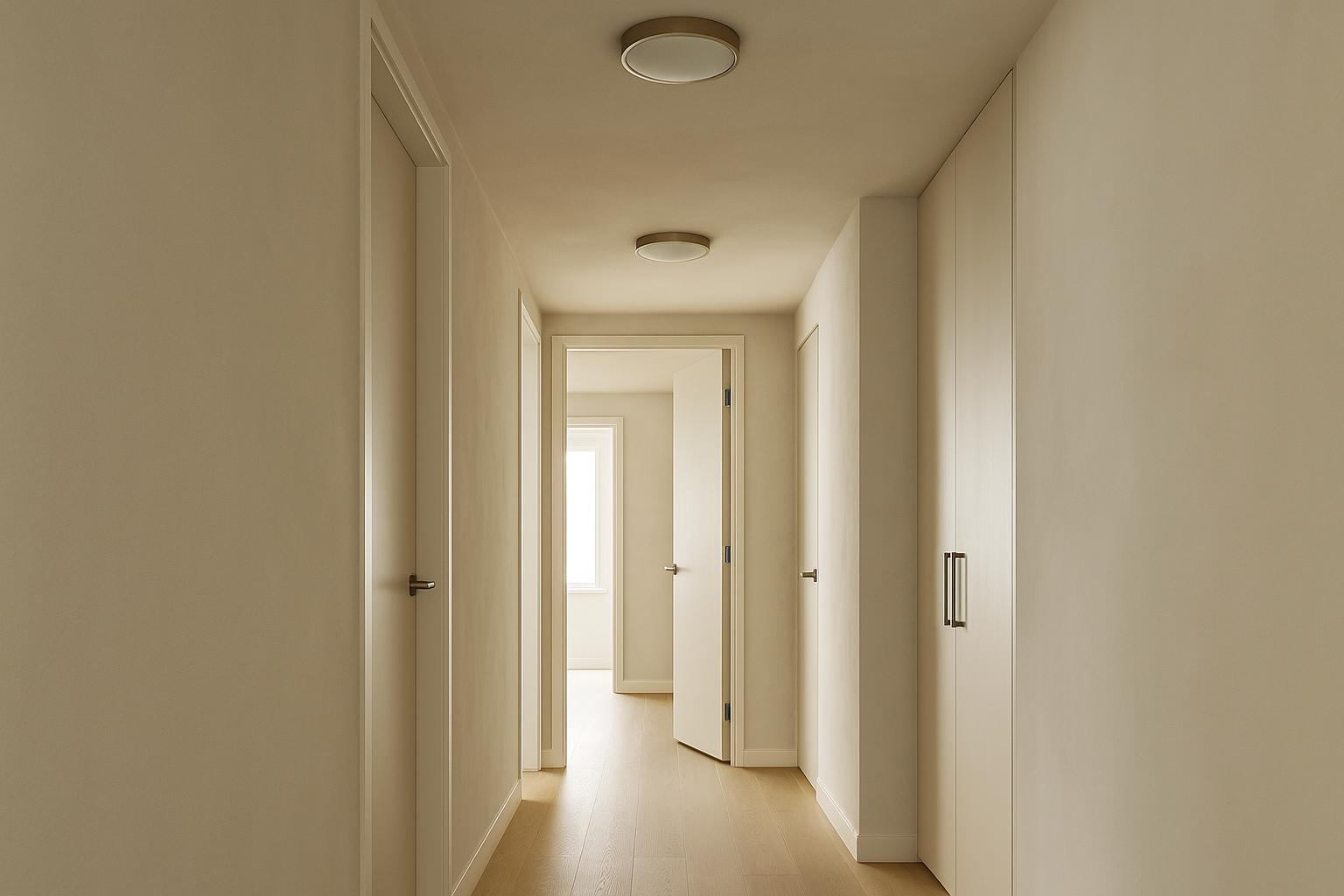
The most useful lighting retailer is not necessarily the one with the largest catalogue. Use a real project brief to...
- There are no more items in your cart
- Shipping
- Total $0.00
Before You Buy: Put an Australian Lighting Store to the Test
A search for the best lighting store in Australia can produce page after page of polished rooms and decorative fittings. Those images may reveal a retailer's taste, but they do not show whether the store will be useful when a renovation involves low ceilings, existing wiring, wet areas, outdoor exposure and several rooms that need to feel connected.
The better test is practical. Give the store a small but demanding version of your project and see how much uncertainty remains. A useful retailer should help you compare suitable options, understand what you are buying and assemble an order without forcing one decorative idea into every part of the home.
Start with a difficult brief, not the home page
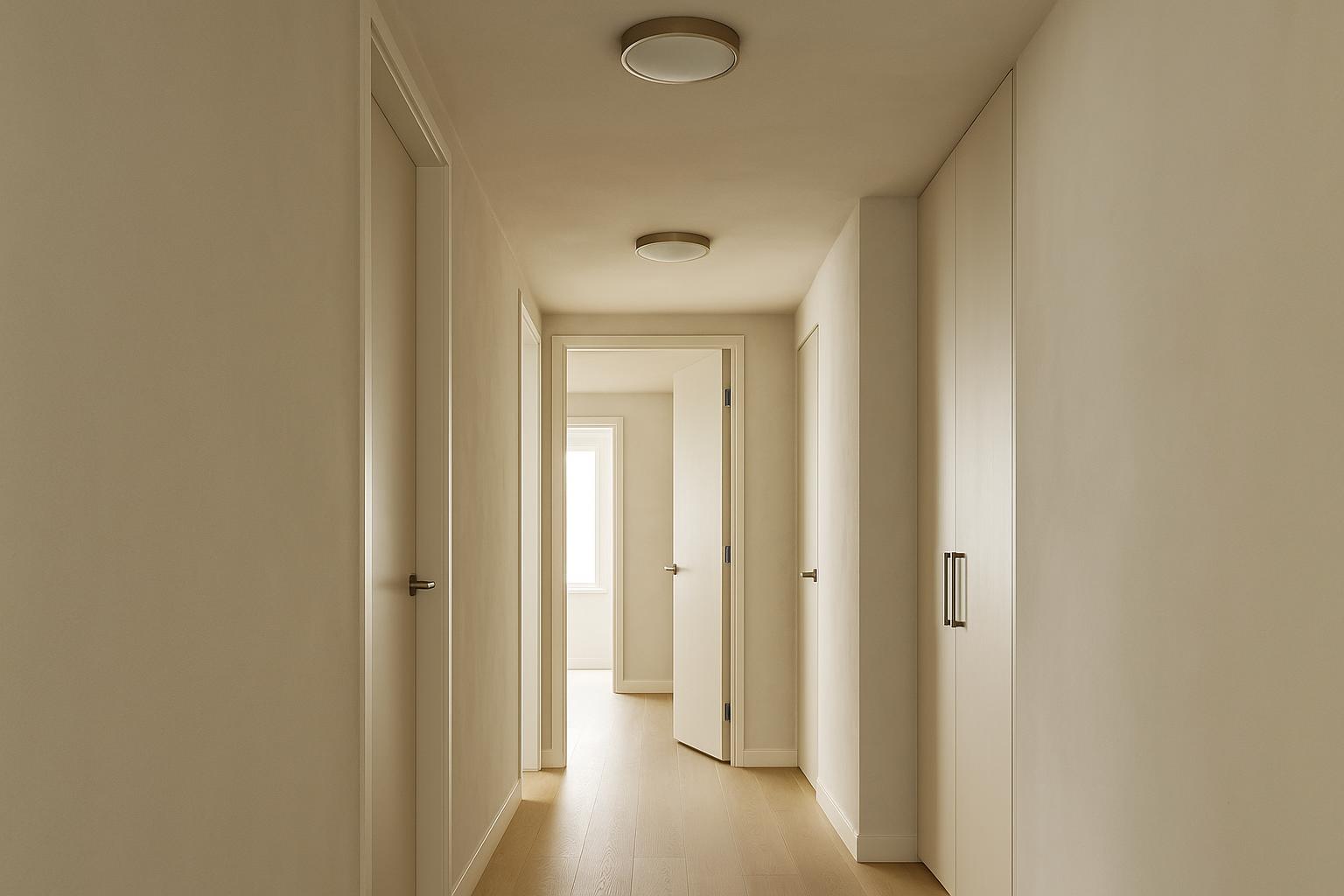
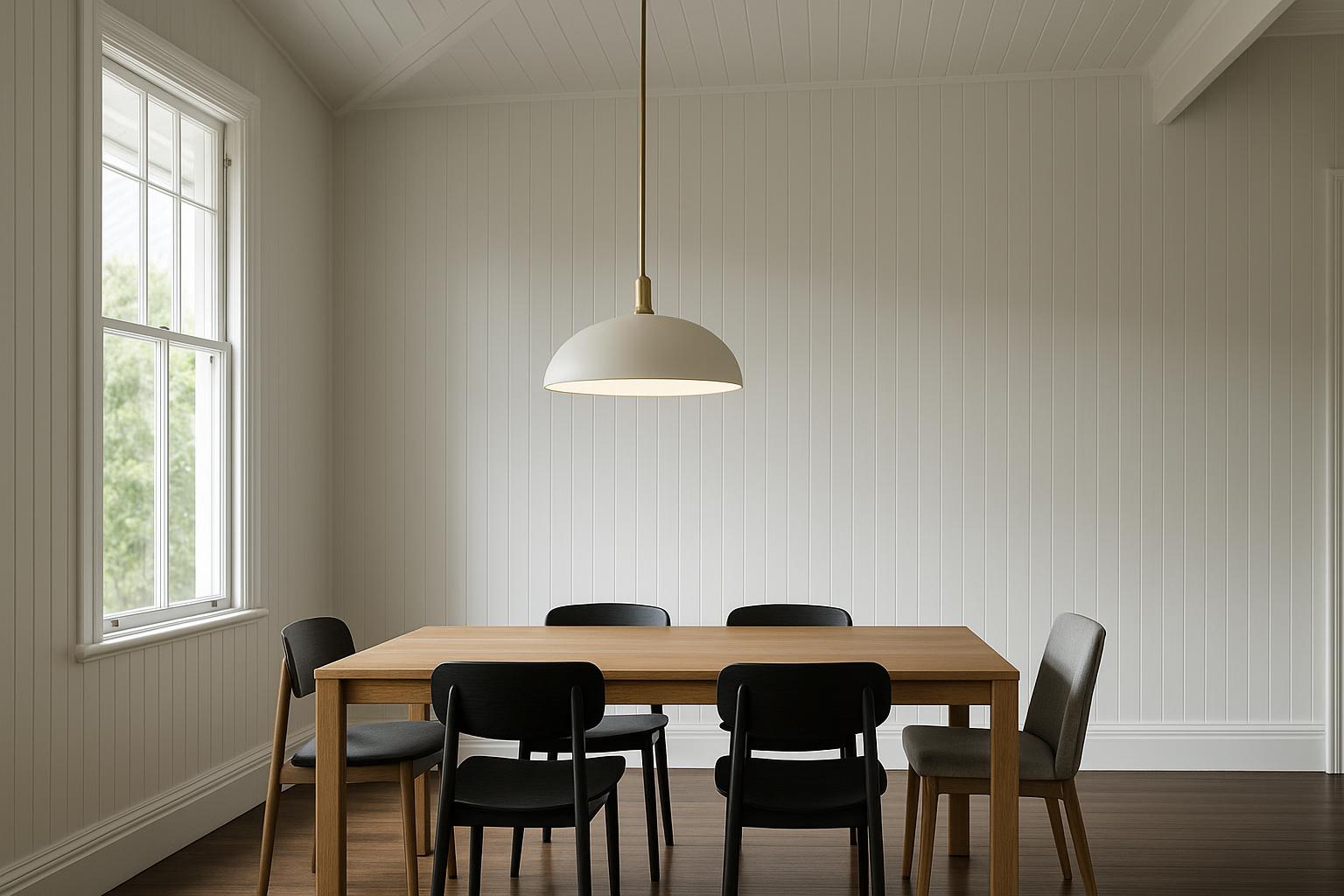
Before browsing, write down four or five genuine requirements from your floor plan. Include at least one awkward location: perhaps a narrow hallway, a bathroom mirror, a dining table beneath a raked ceiling or a covered outdoor wall exposed to weather.

Add the constraints that could rule products out. Note ceiling height, available width, required projection, existing electrical points and nearby doors, cupboards or fan blades. This turns browsing into a useful trial. Instead of asking whether the store has attractive lights, you are asking whether it can resolve specific positions in your home.
A retailer that performs well on the difficult locations will usually make the straightforward rooms easier. If suitable products disappear as soon as you apply basic constraints, the apparent breadth of the catalogue may not be meaningful.
Look for depth rather than catalogue size
A large range can still contain gaps. Ten versions of a fashionable pendant do not help if there are few restrained ceiling fittings for bedrooms, passages and utility spaces. Look for depth across different jobs, not simply repeated colours or minor variations of one silhouette.
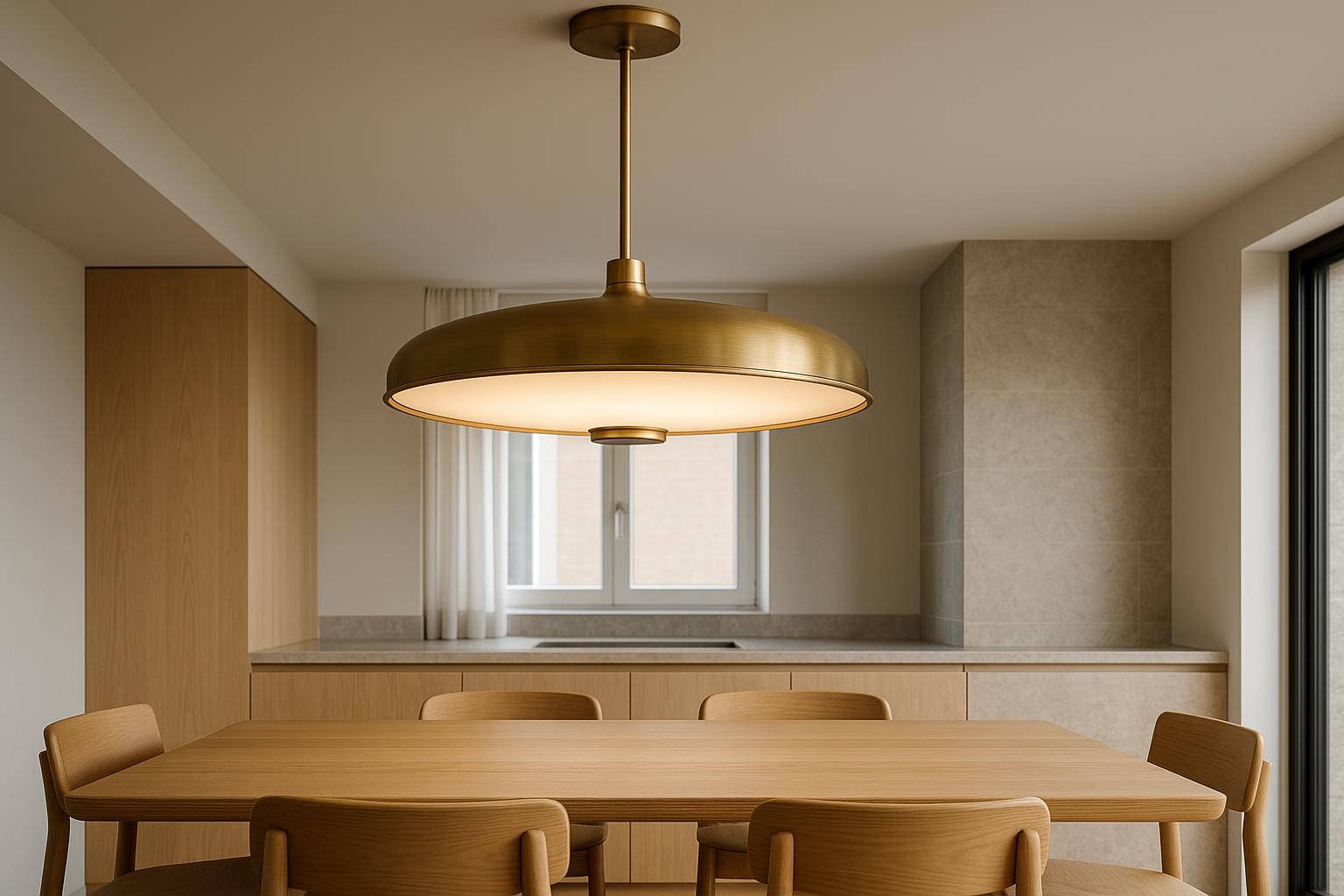
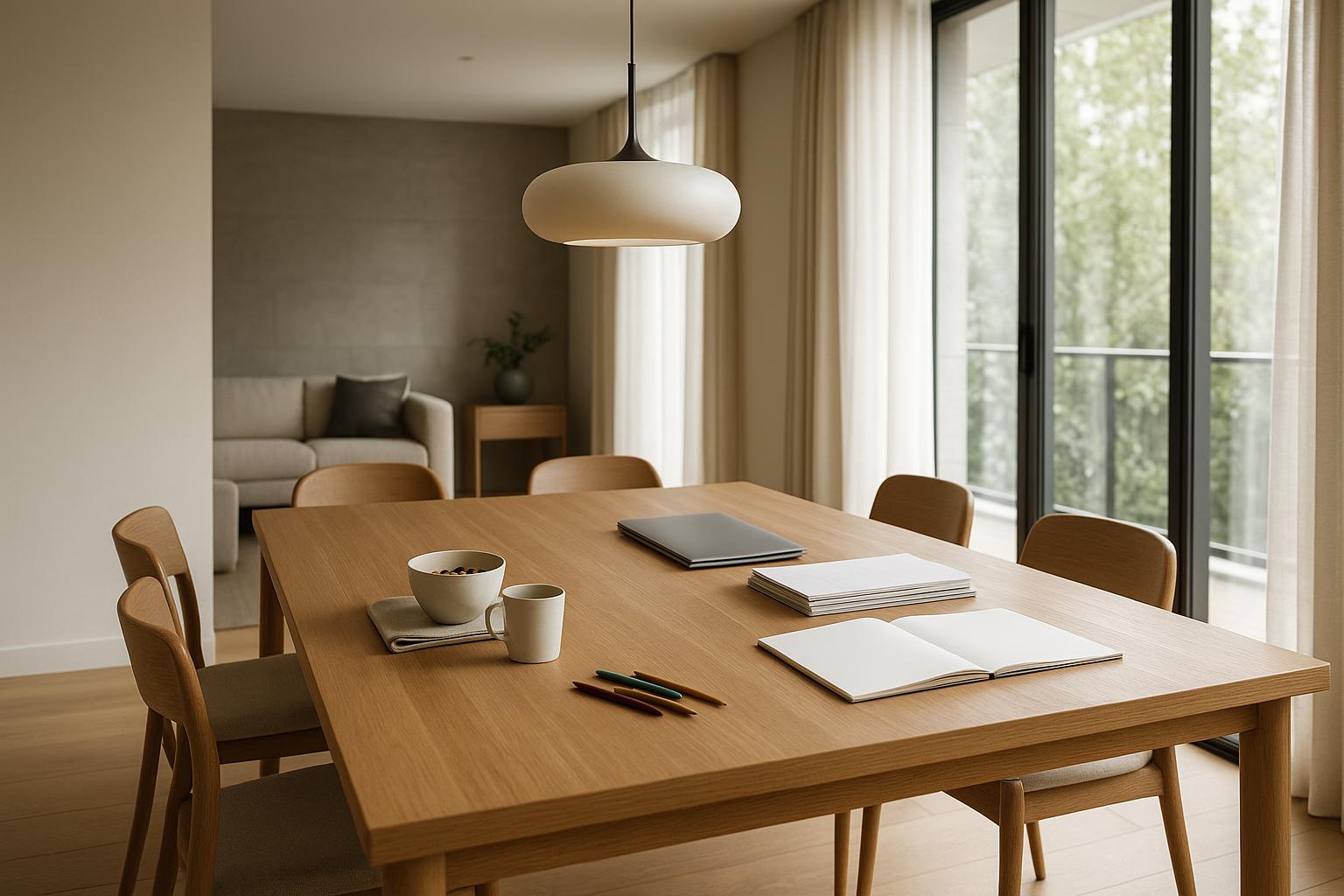
A capable home lighting range should let you establish hierarchy. A dining pendant or chandelier might provide the focal point, while flush lights, downlights, wall lights and portable lamps support movement and everyday tasks. These fittings do not need to come from a matching family, but there should be enough choice to coordinate their scale, finish and visual weight.
Labels such as designer lights are not evidence of a useful assortment on their own. Test whether the collection includes compact and generous proportions, quiet and expressive forms, directional and diffused light, and both fixed and portable options. Range quality becomes apparent when each product has a plausible role.
Treat missing specifications as unresolved decisions
When buying lights online, the product page has to do work normally handled by physical inspection. Dimensions should be clear enough to understand the fitting as an object, not just as a diameter. For a pendant, that may include the shade, canopy and adjustable or fixed suspension. For a wall light, projection can matter as much as height, particularly beside a mirror or in a passage.
To complement this topic, you can also read How to Recognise a Light Fitting Worth Living With.
Check how the light source is described, whether necessary components are identified and whether dimming information is provided where relevant. Installation instructions or technical documents can help clarify details that photographs cannot show. Bathroom and outdoor suitability must be confirmed from the information supplied for the individual product rather than inferred from its shape, finish or styling.
Good photographs remain valuable. Look for a combination of close views and room settings, then compare the apparent size against the listed measurements. Wide-angle interior photography can make a pendant look more compact and a room more spacious than either will feel at home.
Missing information is not automatically proof of a poor product, but it is still an unresolved project issue. Seek clarification before ordering rather than asking an electrician or installer to solve an avoidable mismatch on site.
Use navigation as a diagnostic tool
The way a lighting shop organises its range reveals what it expects customers to know. Product categories are useful for people who already want a pendant or wall light. Room and application pathways can help when the need is clearer than the fitting type, such as bedside illumination or a light for a kitchen island.

Filters should reduce noise rather than return the same products through several labels. Useful distinctions might include mounting format, indoor or outdoor use, dimensions, finish and light-source type, provided those attributes are applied consistently.
Try reaching the same requirement from two directions. Search by fitting type, then approach it by room or application. If both routes produce a coherent shortlist, the catalogue is likely to be structured around real selection decisions rather than display alone.
Check the practical path to delivery
A suitable fitting is only useful if its ordering requirements fit the project. Read the retailer's published information about availability, dispatch, delivery, returns and damaged goods before committing to a large order. Pay particular attention when trades are waiting on dimensions, rough-in decisions or physical products.
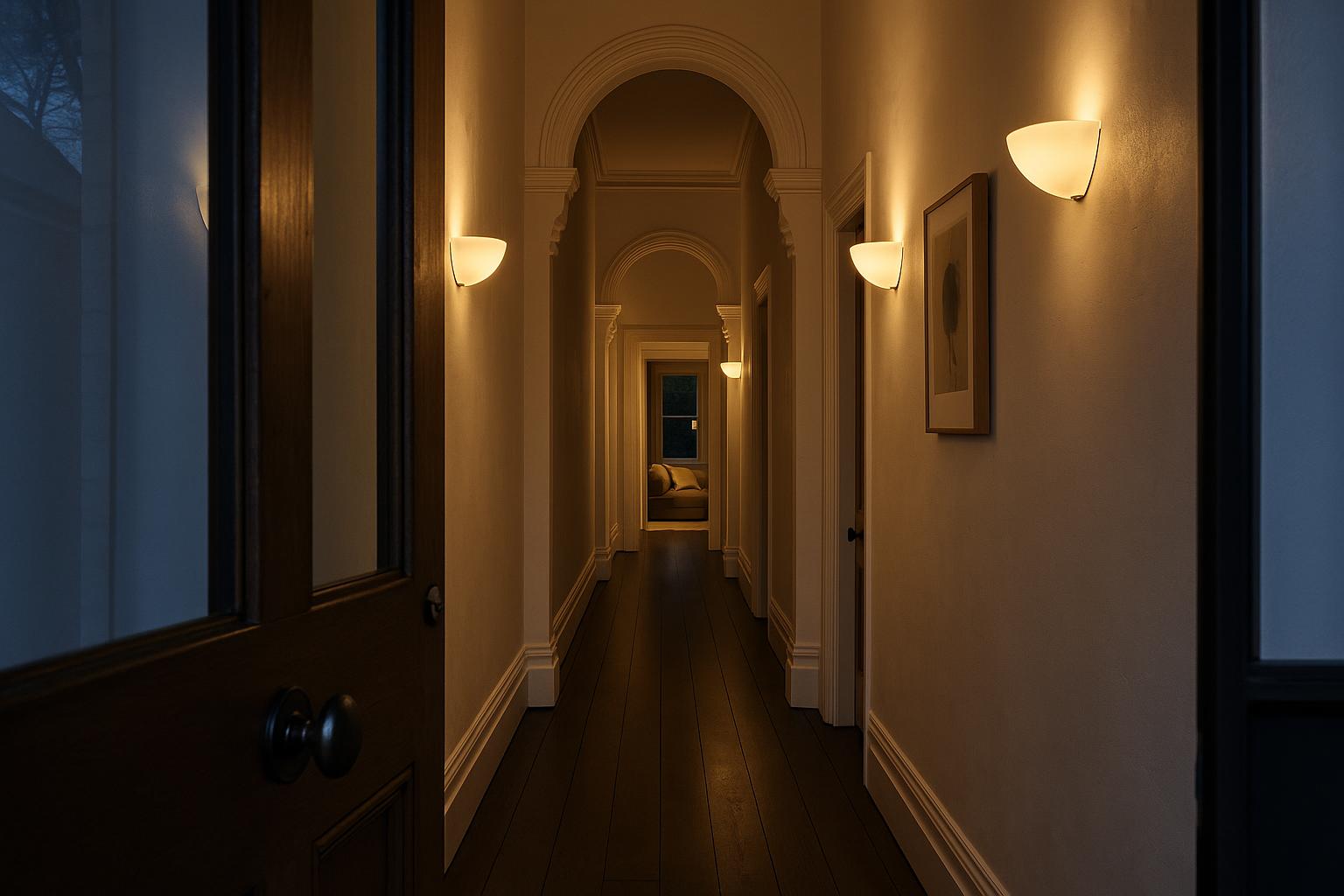
In the same direction, The Night-Time Path: Lighting the Spaces Between Rooms offers useful ideas for choosing home lighting more confidently.
Do not assume that every item shown together has the same lead time. Record the stated availability of each shortlisted product and identify which fittings affect ceiling supports, wall penetrations, cabinetry or electrical positions. Portable lamps and easily replaced decorative items can usually be chosen later than fixed fittings that influence building work.
Keep product references, quantities, finishes and intended rooms in one schedule. This simple check often exposes duplicated selections, omitted locations and two similar products accidentally ordered in different finishes.
Account for Australian homes and conditions
Australian houses present a broad mix of construction and climate. An established Melbourne apartment may have limited ceiling height and solid walls that make relocation difficult. A Brisbane Queenslander can combine tall rooms, verandahs and ceiling fans. A Perth home may connect its kitchen and living area directly to an alfresco space, while a coastal property introduces exposure that cannot be judged from appearance.
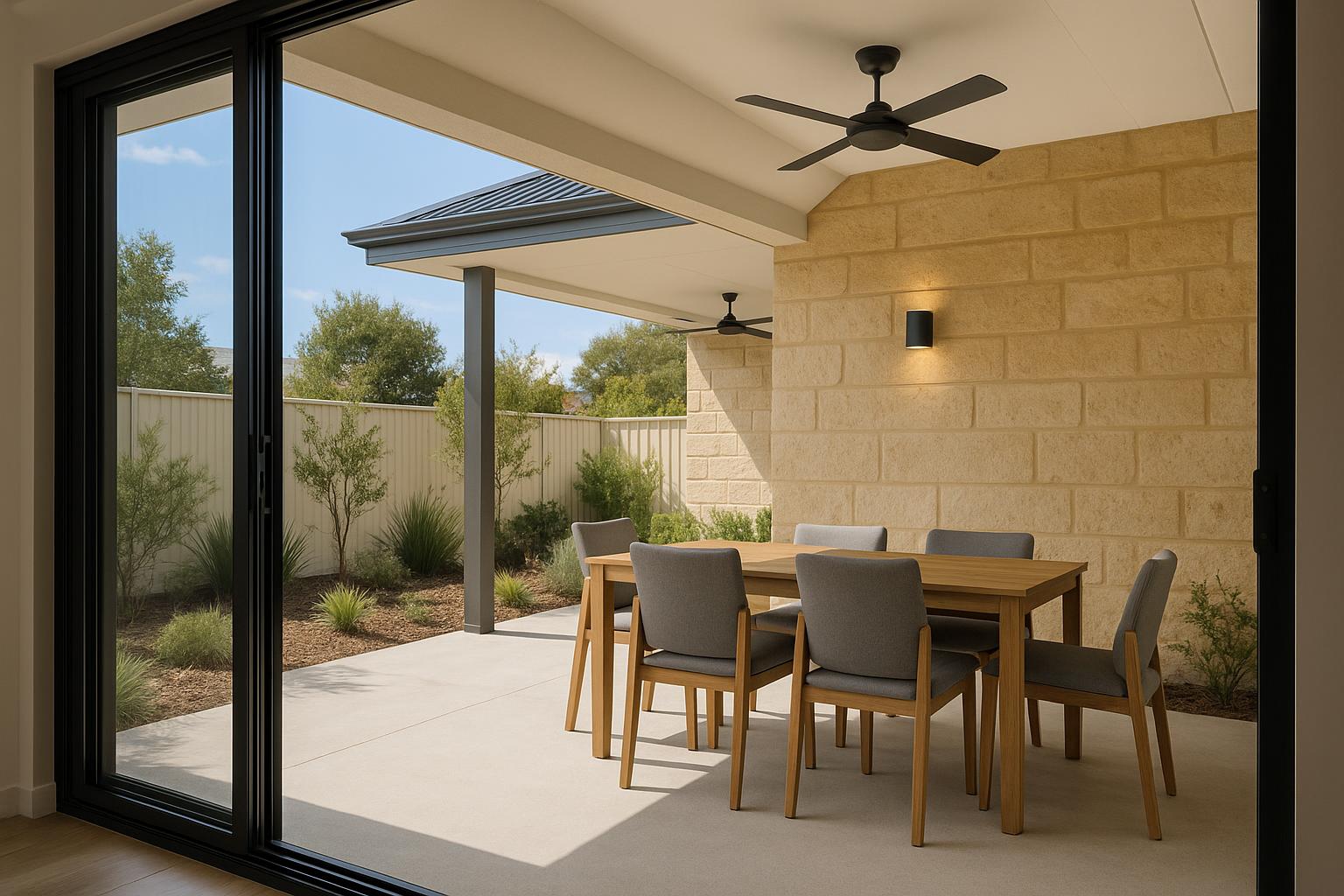
A useful store makes it possible to distinguish indoor lighting from products described for outdoor locations and provides enough detail to discuss placement with the relevant trades. For covered areas, do not assume that a roof makes every indoor fitting suitable. Exposure can vary with wind, rain and the exact mounting position.
Ceiling fans also need to be considered early. Pendant drops, blade sweep and circulation routes can compete for the same volume of space. Product instructions and site-specific advice from an appropriately licensed electrician should guide final placement and fixed electrical work.
For more consistent lighting throughout the home, the article Lighting That Keeps Up with a Changing Room may also be helpful.
Build a test basket before building the whole order
Create a provisional basket covering several different roles: one feature fitting, one quiet ceiling light, one wall-mounted product and one item for a technically demanding location. You do not need to purchase them immediately. The exercise tests whether the retailer can support a small scheme rather than a single attractive choice.
- Check proportion: Compare every listed dimension with the room, furniture and nearby doors or joinery.
- Check compatibility: Look at finishes, forms and visual weight together without trying to match everything.
- Check documentation: Confirm that each fixed fitting has enough information for a useful discussion with your electrician.
- Check timing: Separate products needed for construction decisions from items that can wait until the rooms are furnished.
If one store can satisfy these roles without leaving basic questions unanswered, it is more likely to remain useful as the project expands.
Choose clarity over spectacle
The strongest retailer is not necessarily the one with the longest menu or the most dramatic home page. It is the one that helps you move from an architectural constraint to a credible shortlist, then gives you enough information to check the choice before purchase.

When you are ready to compare options, browse Luxora Lighting with your measurements, room list and installation constraints beside you. Begin with the hardest positions, review the relevant product information and keep the final order tied to the sequence of the project.
A genuinely useful store reduces guesswork. That is a more dependable measure than catalogue size, trend language or showroom impact.