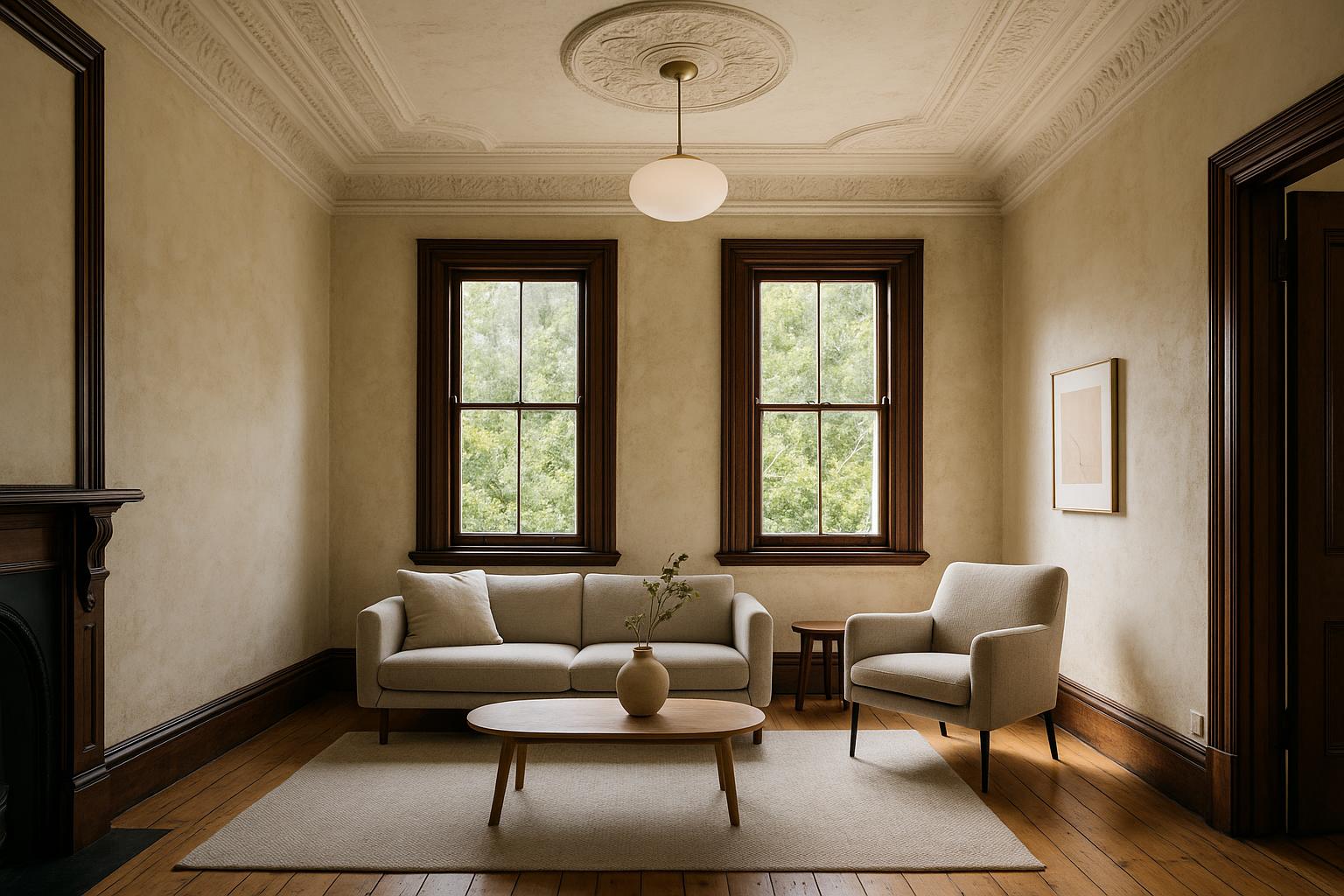
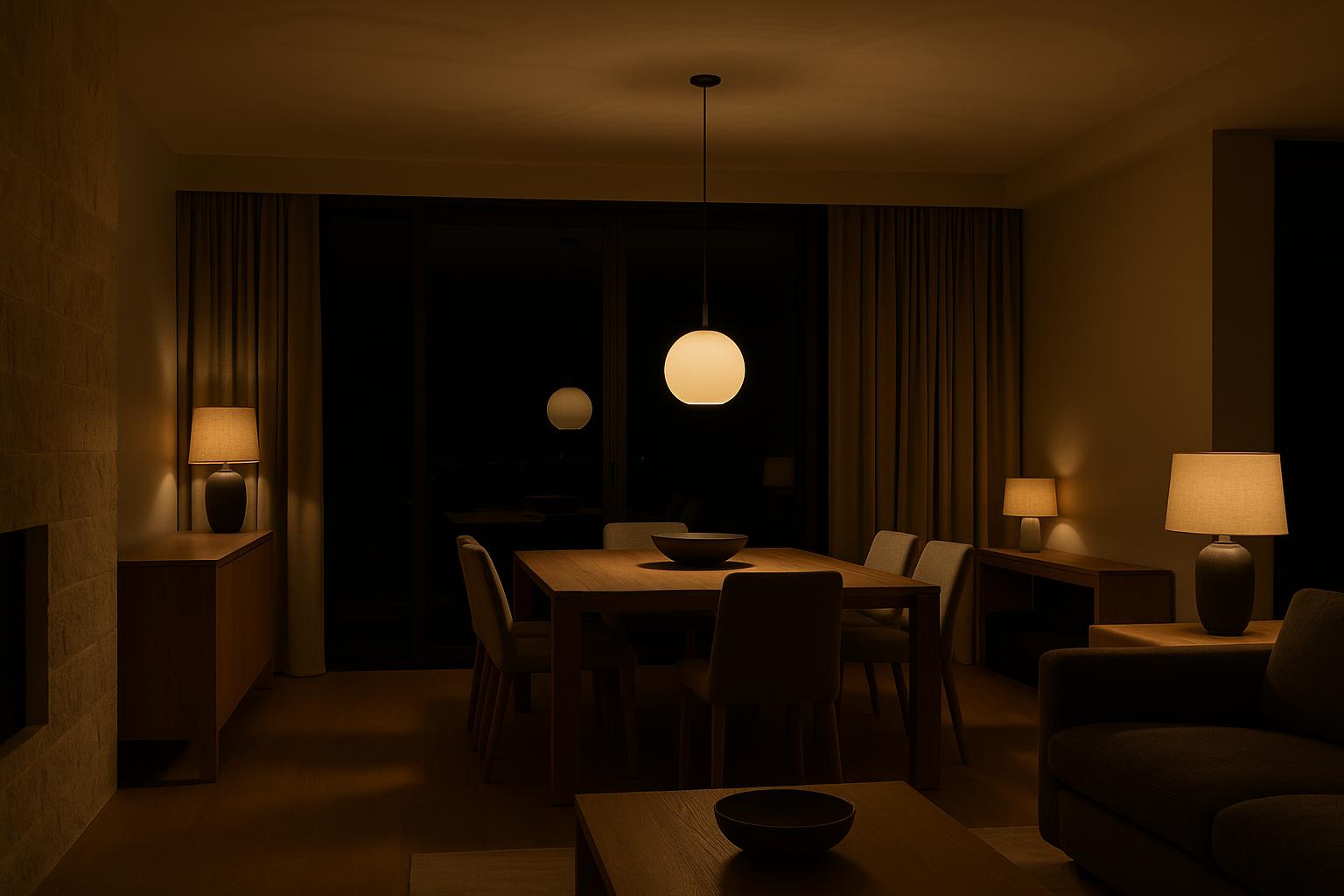
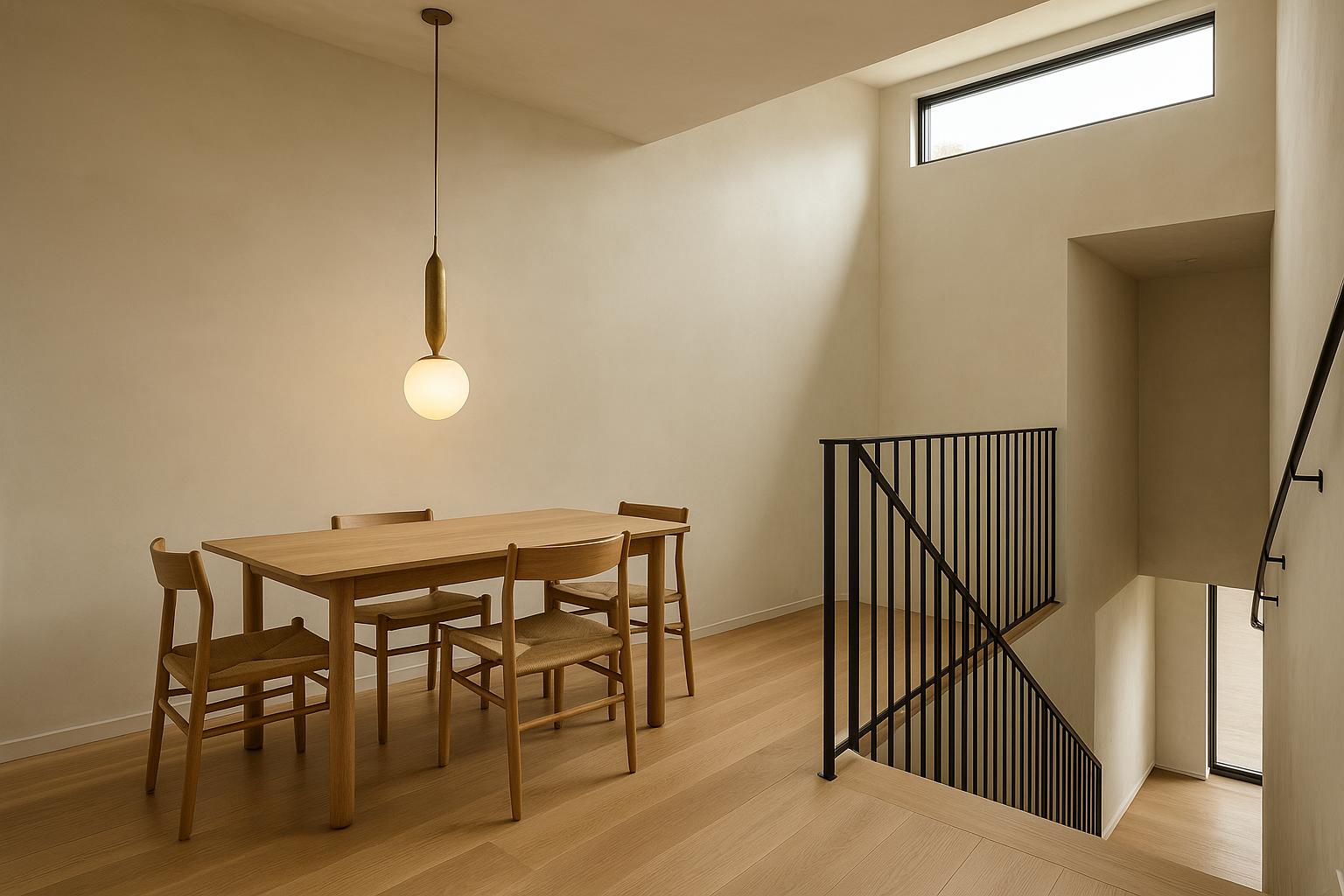
The most convincing light fittings respond to the architecture around them. Learn how to assess ceilings, walls,...
- There are no more items in your cart
- Shipping
- Total $0.00
Make Every Dollar in Your Lighting Budget Count
A lighting budget is easier to control when each fitting has a financial reason for being there. Some deserve more because they improve a task performed every day. Others justify their cost through scale, material or visibility. Many simply need to distribute light reliably without becoming part of the room's visual conversation.
Problems arise when the product allowance is divided evenly between rooms or spent almost entirely on decorative ceiling lights. Neither approach reflects how a home is used. A bathroom mirror, kitchen bench or reading chair may need more careful lighting than a large spare room, while installation at a stair void can cost more than fitting a straightforward light beneath a standard ceiling.
If the plan is to buy lights online Australia-wide, set these priorities before opening multiple product tabs. The aim is not to find the cheapest acceptable fitting at every point. It is to avoid paying for detail where it contributes little and to protect money for the decisions that will be difficult to correct later.
Separate product spend from project spend
The amount available for fittings is not the complete lighting budget. Globes, compatible controls, delivery and electrical work may also need to be allowed for. Unusual mounting conditions, difficult access and changes to existing positions can affect the project cost even when the fitting itself appears affordable.

Divide the allowance into four broad parts: fixed fittings, portable lamps, installation and a reserve. The proportions will differ between a furnished apartment and a renovation with new electrical positions, but separating the costs prevents a feature pendant from consuming money needed to install it properly.
It also makes product comparisons more useful. Two pendants with similar prices may create very different installation questions if one is large, heavy, highly adjustable or intended for a raked ceiling. Treat the product page as the start of the calculation rather than the final figure.
Fund daily-use lighting first
Frequent tasks should take priority over decorative prestige. Kitchen preparation benches, bathroom mirrors, desks, reading seats and entrances all depend on light arriving from a useful direction. Brightness alone does not solve poor placement, glare or shadows cast by the person doing the task.
At a bathroom mirror, consider whether the light will illuminate the face rather than only the basin or the top of the head. In a home office, look at the relationship between the lamp, screen and writing surface. An adjustable light may be worth more than an elaborate fixed design if the desk layout is likely to change.
To complement this topic, you can also read The Online Lighting Checklist for Australian Homes.
Bedside lighting deserves the same practical attention. A lamp should be easy to reach and suitable for winding down as well as reading. Wall-mounted bedside lights can free a compact table, but their fixed position calls for more planning and installation than a portable lamp. That difference belongs in the budget from the outset.
Choose feature positions rather than feature rooms
A room does not automatically need a statement light because it has a ceiling point. Instead, spend on locations where the fitting will be seen clearly, remain visible from adjoining spaces or contribute to the architecture while switched off.
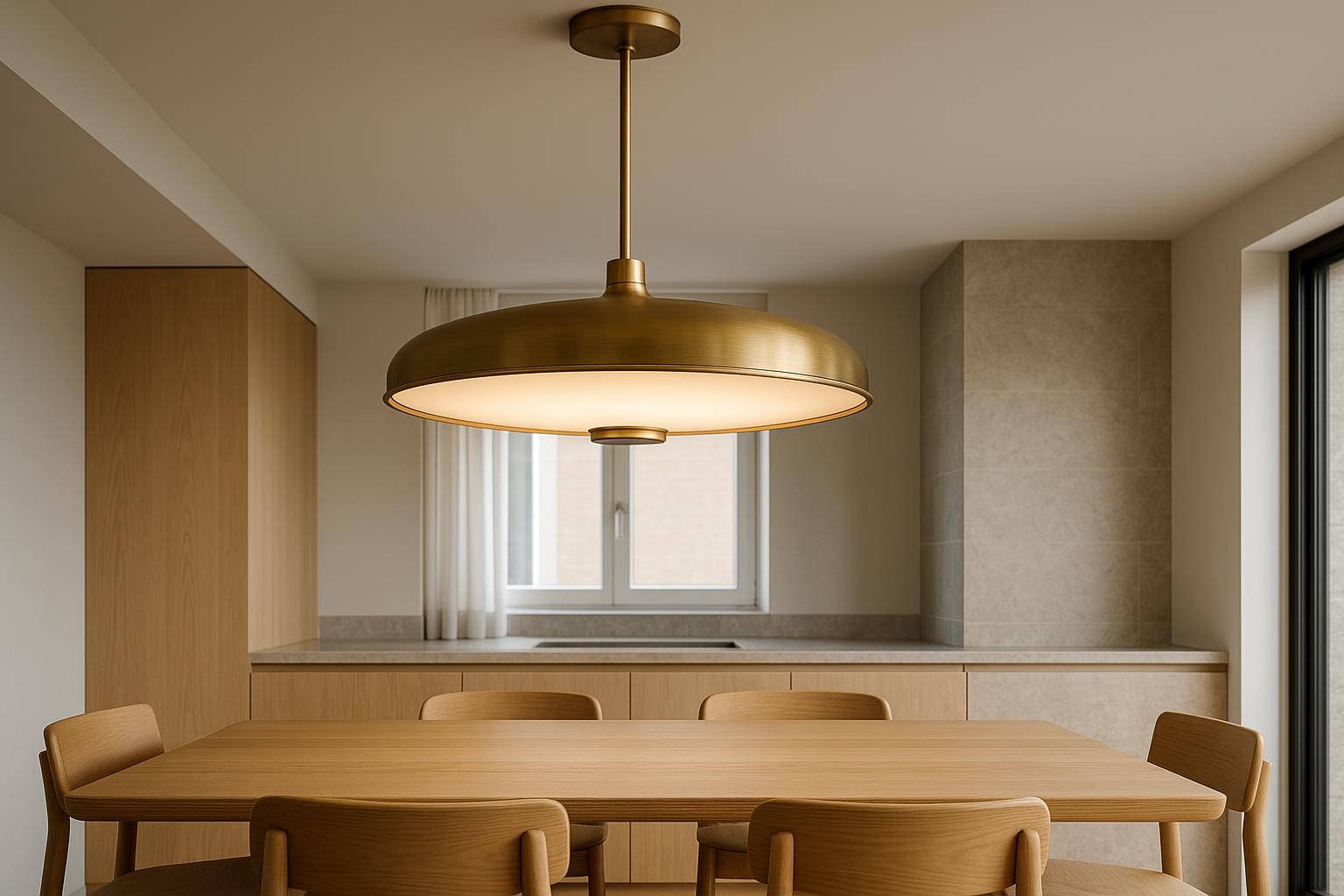
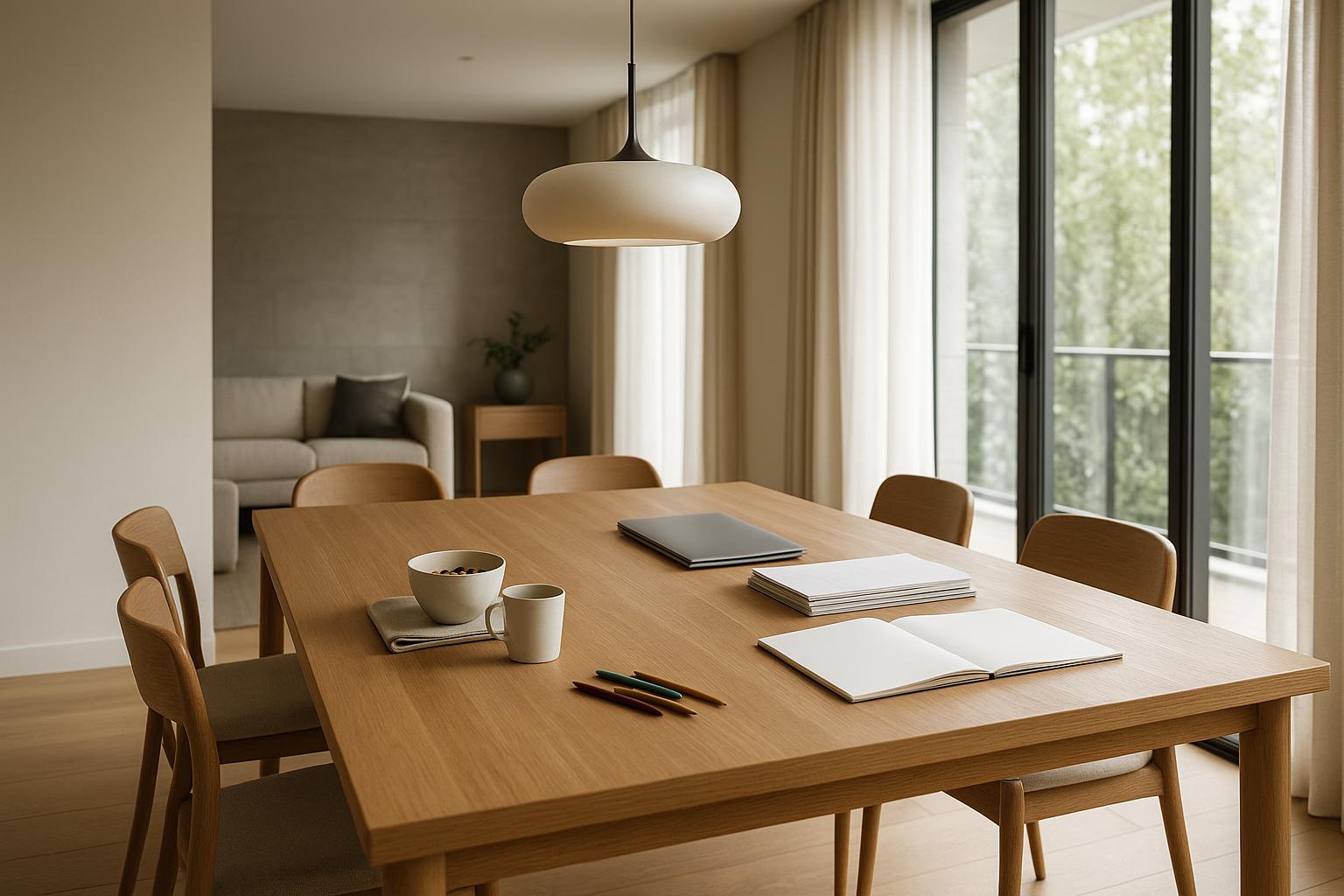
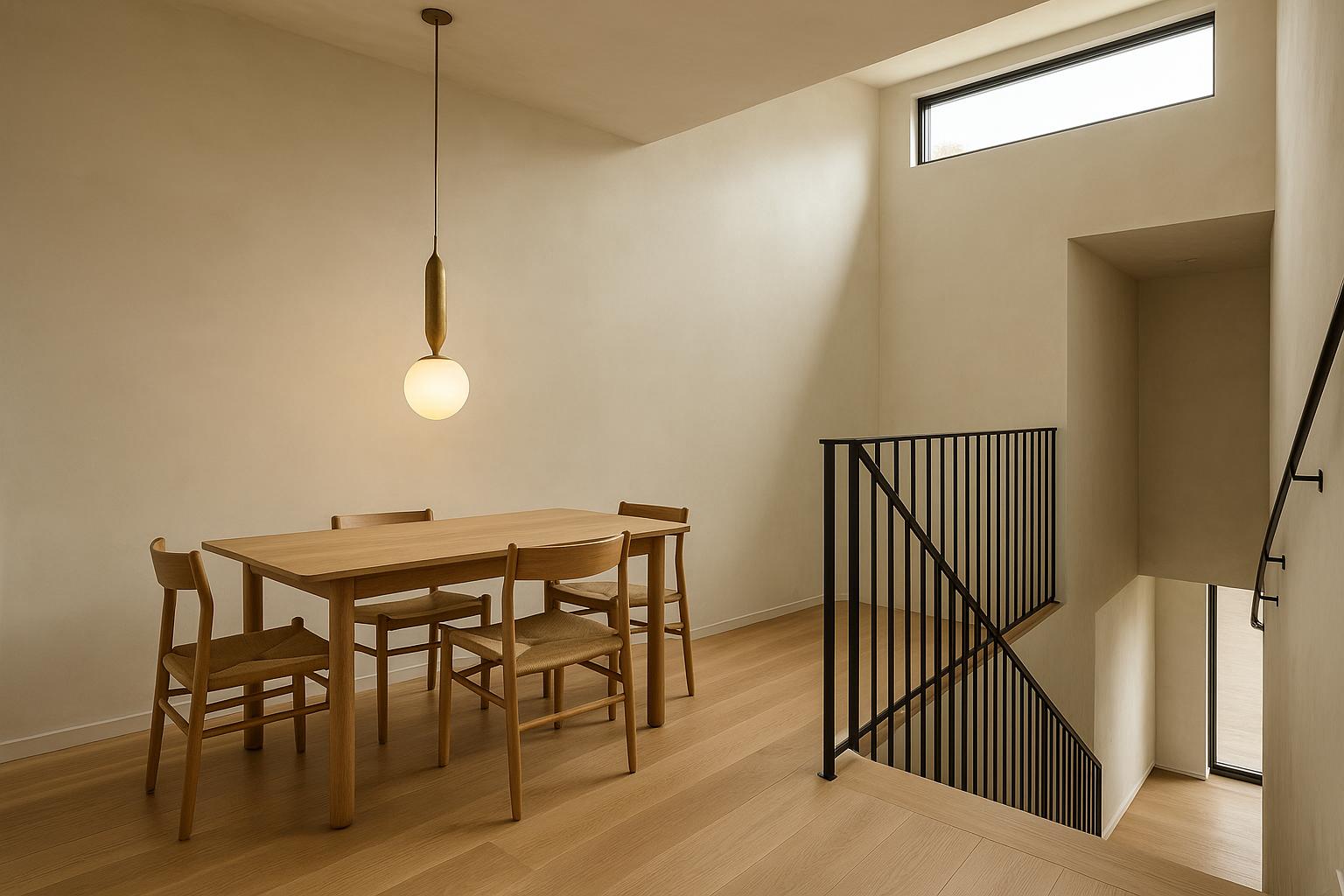
A pendant above a dining table is often a strong candidate because the table gives it a clear visual anchor. A stairwell can also justify a more distinctive fitting where the drop is visible from several levels. In a compact entry, a restrained but well-scaled ceiling light may have more impact than a complicated design squeezed into limited space.
designer lights are most convincing when they have room to register. Check dimensions against the actual table, island, void or ceiling rather than relying on a tightly framed photograph. Spending more does not compensate for a fitting that is undersized, hangs in a sightline or obstructs movement.
Use repetition to save without looking cheap
Repeated fittings can consume a surprising amount of the budget. A modest price difference becomes significant when it is multiplied across a hallway, open living area or several bedrooms. These are sensible places to simplify, provided scale, light distribution and finish are still appropriate.

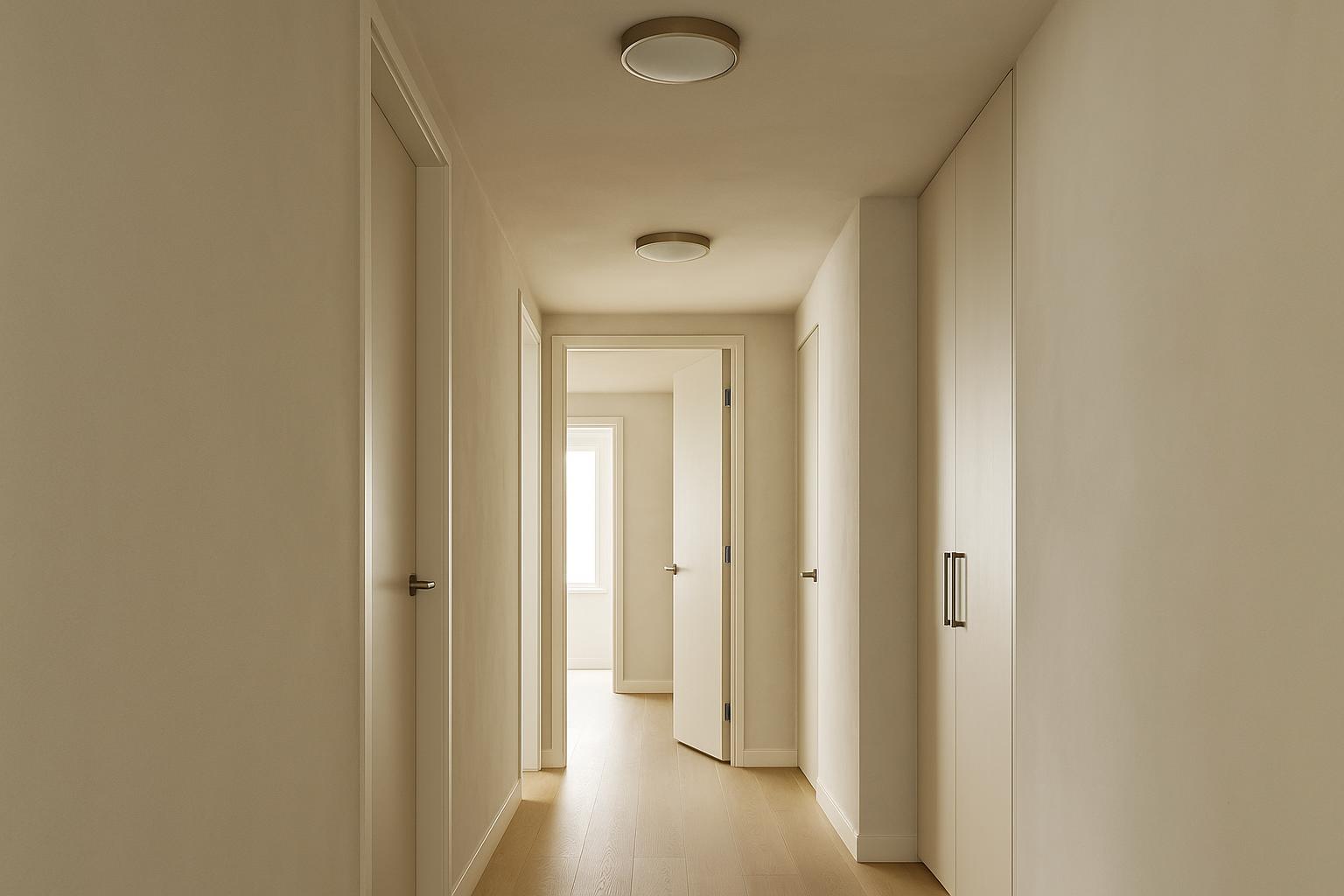
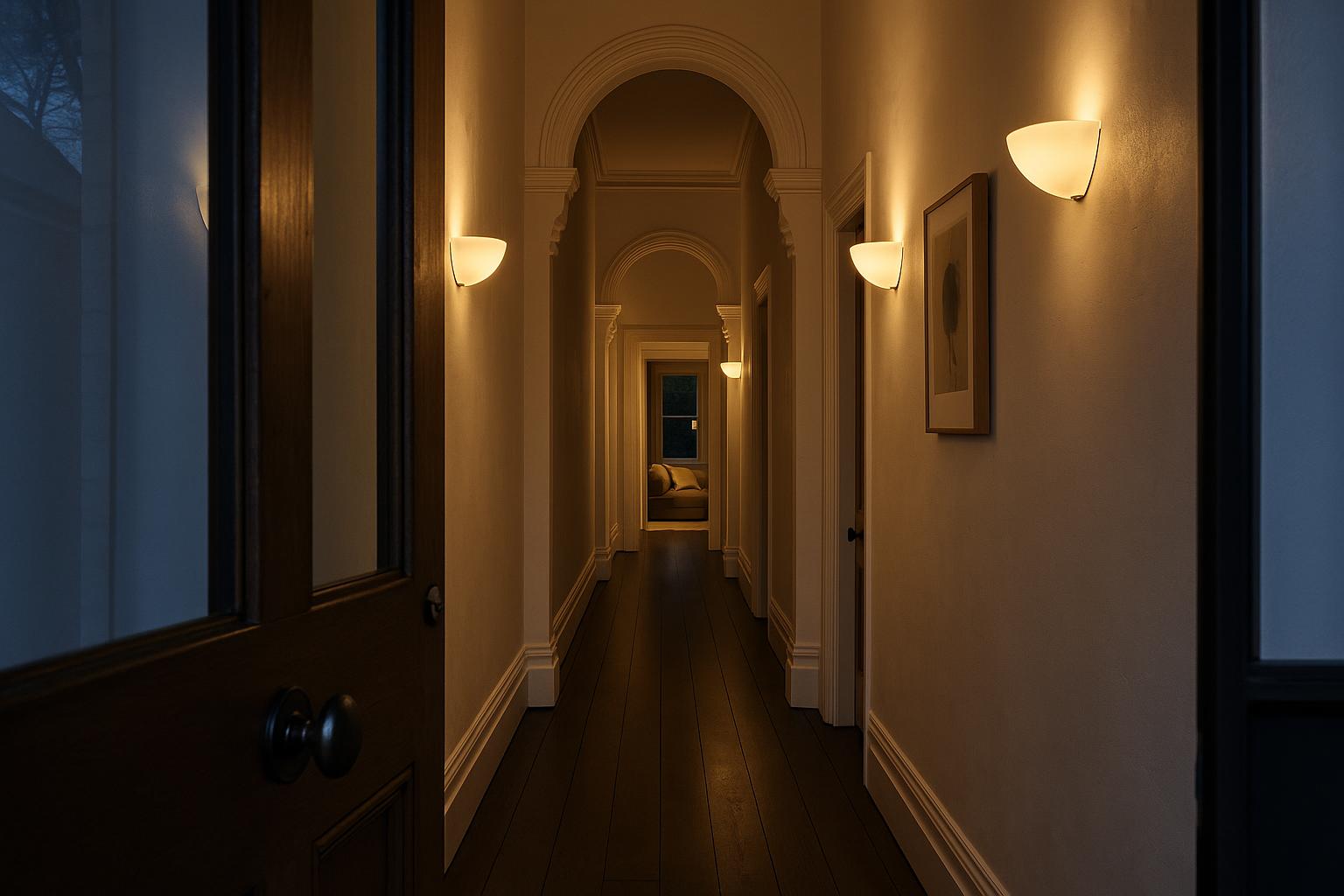
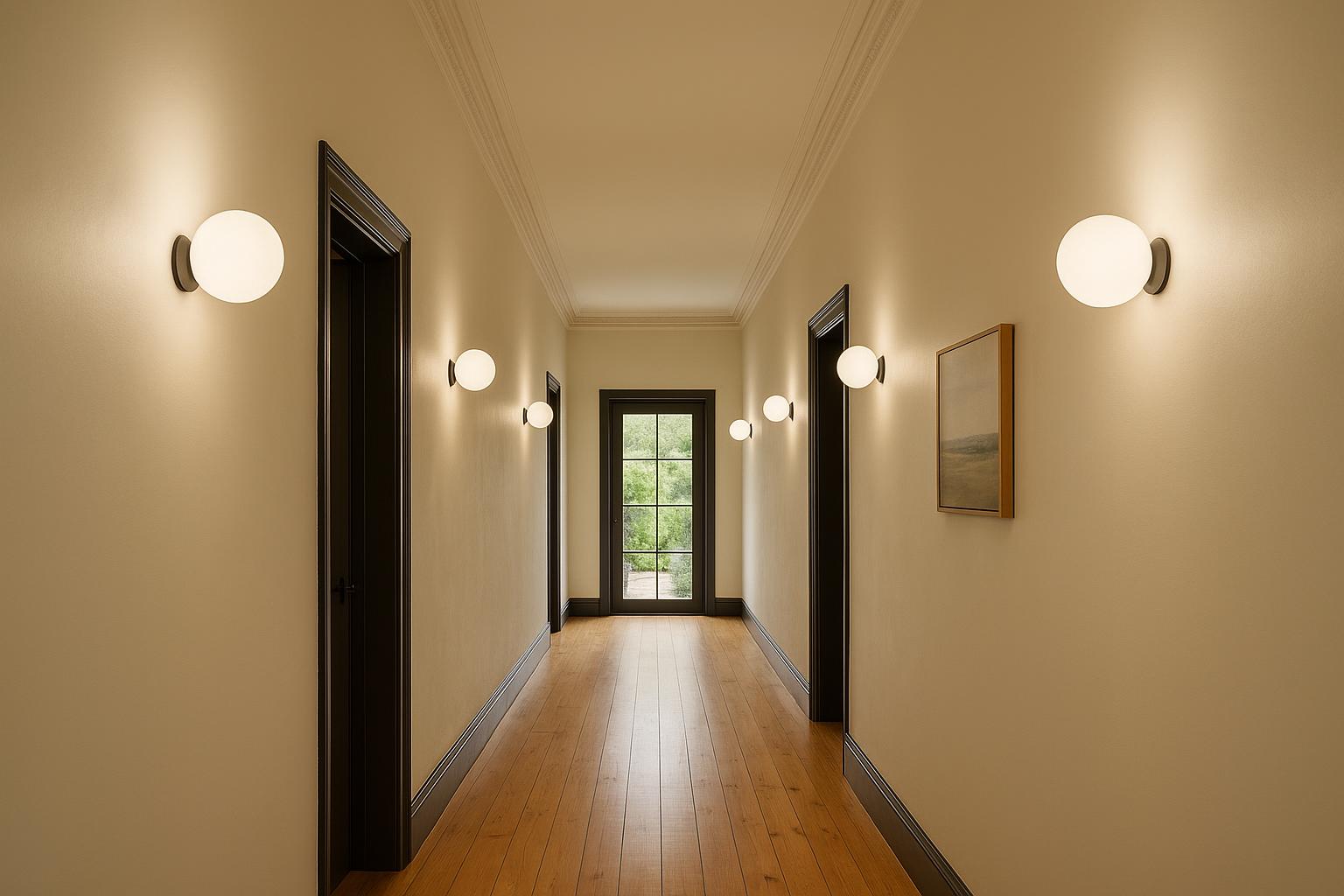
Supporting lights should look intentional rather than decorative by default. Plain flush fittings can suit low ceilings, while discreet wall lights may give a long corridor a comfortable rhythm. Recessed or directional lighting can serve work areas without competing with a pendant nearby.
In the same direction, A Whole-Home Lighting Plan: Choosing Fittings That Belong Together offers useful ideas for choosing home lighting more confidently.
Consistency matters more than novelty in these positions. A controlled family of quiet fittings will usually sit more comfortably than a collection of inexpensive designs chosen separately. If existing recessed lights are being replaced, confirm dimensions and compatibility before assuming a new fitting can occupy the same opening.
Price the ceiling and wall as well as the fitting
The building can determine where extra spending is worthwhile. High ceilings, stair voids and awkward access may make later changes inconvenient. Raked ceilings can affect how a pendant hangs, while ceiling fans need adequate clearance from nearby fittings. In a Queenslander or a bedroom that relies on a fan through summer, that practical relationship should be resolved before the decorative choice is finalised.
Wall lights also require care because their height and position remain fixed. Check how a wall is used, where doors open and whether furniture is likely to sit beneath the fitting. For a tiled bathroom wall or a finished bedhead, changing the location later may be more disruptive than selecting a different table lamp.
Outdoor lighting introduces exposure, location and access considerations that cannot be judged by appearance alone. A sheltered verandah, open path and coastal exterior wall are different settings. Confirm that a product is suitable for its proposed location, and discuss fixed wiring, mounting and uncertain site conditions with an appropriately licensed electrician before ordering.
Hold money back for lamps and outdoor areas
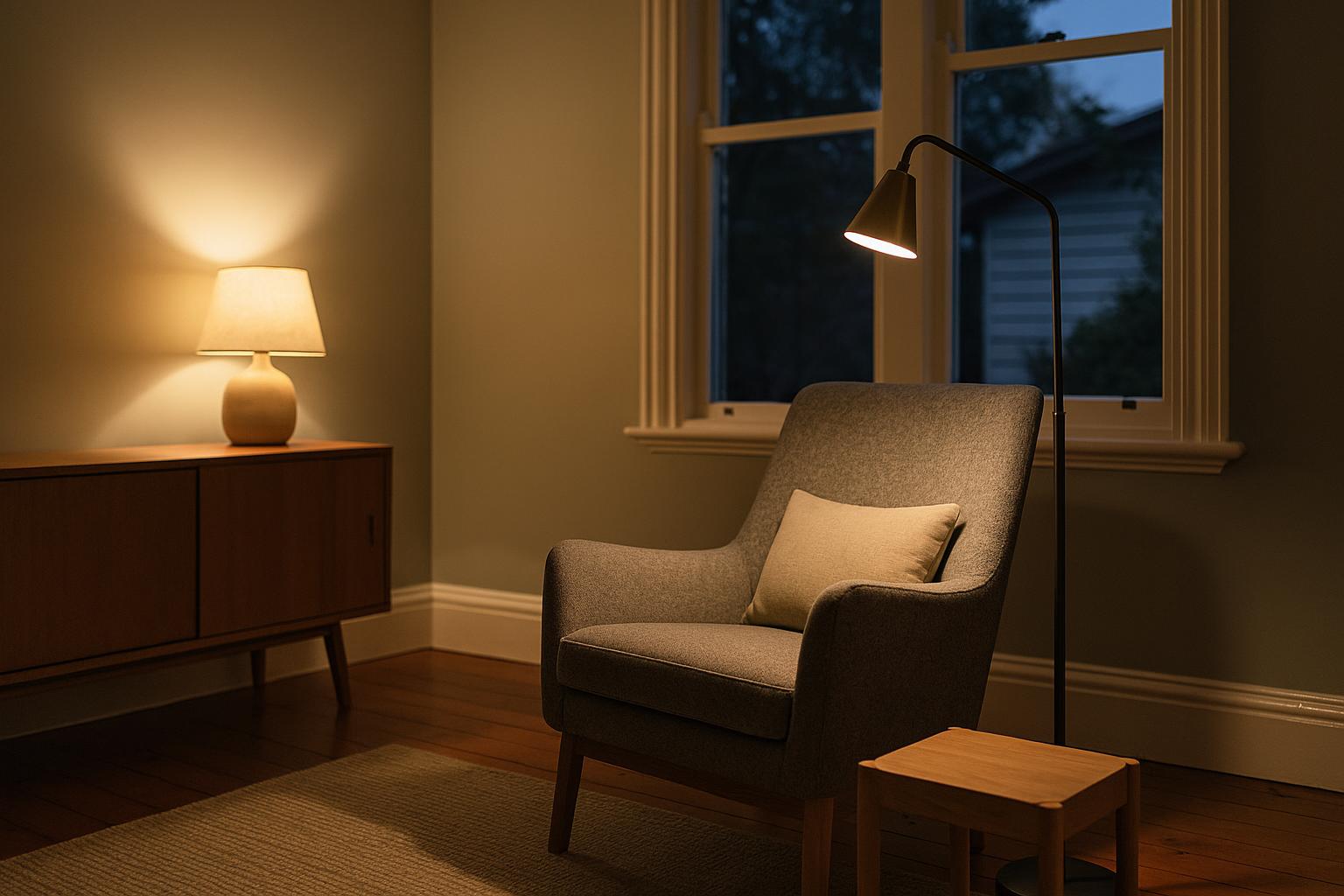
Ceiling fittings tend to be selected first because their positions are obvious on a plan. Spending the entire allowance there can leave living rooms and bedrooms dependent on one high source of light. Table and floor lamps create lower pools of illumination, respond to furniture changes and make it possible to use only the part of a room that is occupied.
A reserve for portable lighting is particularly useful after moving in. The dark corner in a Hobart living room or the reading position beside a Perth apartment window may only become apparent once furniture and evening routines are established. Leaving some decisions open is not incomplete planning; it avoids buying lamps for assumed positions.
Give outdoor areas a defined amount as well. The front door, steps and regular route to a garage or gate may be more important than illuminating every garden bed. On a deck or covered alfresco area, a few controlled sources can provide visibility and atmosphere without washing the entire space in bright light.
Run a final basket test
Before checkout, stop judging products one at a time. Group them by the spaces in which they will be seen together, then identify which fitting leads each view. If the pendant, wall lights and floor lamp all rely on bold shapes or contrasting finishes, one of them may need to become quieter.

- Daily use: Is enough of the budget directed towards benches, mirrors, desks, reading positions and safe circulation?
- Visual value: Are the more expensive fittings placed where their form and material will actually be noticed?
- Repetition: Could a simpler fitting reduce the total without weakening the room?
- Installed cost: Have access, mounting conditions and electrical work been considered separately from product prices?
- Flexibility: Is there money left for portable lamps, outdoor lighting and adjustments after the furniture is in place?
Finish by removing products that do not have a clear role. A fitting should provide useful light, support the wider scheme or earn attention in a deliberate position. It does not need to achieve all three. When you are ready to compare options, browse the Luxora Lighting online store with those roles and the installed budget already in mind.
The strongest result is not necessarily the basket with the most premium fittings. It is the one that directs money towards daily comfort, difficult-to-change decisions and a small number of visible moments, while allowing the rest of the home lighting to work quietly.